Citrus Bergamot and Cognition: What the Human Evidence Actually Shows
Quick Answer: Does Citrus Bergamot Do Anything for Focus or Memory?
Honestly, not much that has been demonstrated in healthy adults — bergamot's strong human evidence is metabolic, not cognitive, and the only cognitive data comes from two very small open-label pilots. Those pilots enrolled 10 and 20 schizophrenia outpatients, ran 30 days and 8 weeks at 1,000 mg/day of bergamot polyphenolic fraction, and had no placebo group at all. Zero placebo-controlled cognitive trials of bergamot in healthy adults have been published. The 36-week citrus trial that gets cited as proof used lemon peel extract, not bergamot — and it did not beat placebo.
- Healthy-adult cognitive trials of bergamot: none published.
- Dose used in the cognitive pilots: 1,000 mg/day bergamot polyphenolic fraction (BPF).
- Where bergamot's real evidence sits: lipids — 14 randomised trials pooled in a 2022 meta-analysis.

Three different things are all being called "bergamot"
Before any evidence discussion is possible, the terms have to be separated, because almost every page that ranks for this topic quietly blends them together.
Bergamot essential oil is the aromatic oil cold-pressed from the peel of Citrus bergamia. It flavours Earl Grey tea and is the subject of aromatherapy research on inhaled scent. It is not swallowed in capsule form and tells you nothing about a supplement.
Bergamot polyphenolic fraction (BPF) is a standardised, orally administered extract of the fruit, characterised by flavonoids including neoeriocitrin, naringin, neohesperidin and the statin-like compounds brutieridin and melitidin. This is the material used in almost all of the clinical literature, and it is the relevant preparation when bergamot appears on a Supplement Facts panel.
"Citrus phytochemicals" generally is a much wider bucket that includes lemon, orange and grapefruit compounds such as auraptene, naringenin and hesperidin. Findings from that literature are routinely transplanted onto bergamot pages. They do not transfer.
Keep those three apart and the cognitive picture becomes unusually easy to summarise, because there is very little in it.
The evidence ladder: every human cognitive study on bergamot
This is the whole set. Not a selection, not the highlights — the complete published human cognitive record for bergamot, plus the study that is repeatedly mistaken for it.
| Preparation | Study design | n | Dose & duration | Cognitive outcome measured | Verdict |
|---|---|---|---|---|---|
| Bergamot polyphenolic fraction (BPF) | Open-label pilot, no placebo arm; schizophrenia outpatients on second-generation antipsychotics | 20 | 1,000 mg/day, 8 weeks | Wisconsin Card Sorting Test perseverative errors; semantic verbal fluency; Stroop | Within-group improvement reported. No control group, so practice effects and expectation cannot be excluded. |
| Bergamot polyphenolic fraction (BPF) | Preliminary open-label report (conference abstract), same research group | 10 | 1,000 mg/day, 30 days | Wisconsin Card Sorting Test; verbal fluency; Stroop | Within-group improvement reported. Abstract-level data, n = 10, no placebo. |
| Citrus limon (lemon) peel extract — not bergamot | Randomised, double-blind, placebo-controlled | 80 | 400 mg/day (0.1 mg auraptene + 3 mg naringenin), 36 weeks | RBANS total score (primary), blood biomarkers (secondary) | Both arms improved; extract did not beat placebo. Also not bergamot. |
| Bergamot in healthy adults | — | — | — | — | No trial exists. No placebo-controlled cognitive trial of bergamot in healthy adults has been published. |
Two rows of uncontrolled pilot data in a clinical psychiatric population, one negative randomised trial of a different fruit, and an empty row where the trial you actually want should be. That is the state of the field in 2026.
Why "no placebo arm" is not a technicality
In an open-label study, everyone knows they are taking the active compound, and everyone sits the same cognitive tests twice. Both of those facts push scores upward on their own. Repeated exposure to the Wisconsin Card Sorting Test produces practice effects; knowing you have taken something produces expectation effects. A within-group improvement from baseline therefore tells you the scores went up, not that the capsule moved them. The authors of the 8-week pilot said as much themselves, calling for adequately powered, well-designed trials. Nine years later, those trials have not appeared.
The trial that looks like proof and isn't
A 36-week randomised, double-blind, placebo-controlled trial in 80 adults aged 60 to 75 with subjective cognitive decline is frequently cited on bergamot pages. It deserves attention for two reasons, and neither is the one it usually gets.
First, the extract was 400 mg of Citrus limon peel extract — lemon — standardised to 0.1 mg auraptene and 3 mg naringenin. It is not bergamot, and it should never be cited as bergamot evidence. Second, the paper most people link to (Galluzzi and colleagues, Nutrition Journal 2022) is the study protocol. It describes what the researchers intended to do and reports no results whatsoever.
The results were published separately in Nutrition Journal in 2024. The finding was null: RBANS total scores improved significantly in both the citrus peel extract group and the placebo group at 36 weeks, and the extract showed no cognitive benefit over placebo. The authors attributed this partly to a substantial placebo response. That is a well-run trial reaching an honest negative conclusion, and it is more informative than either bergamot pilot — while still not being about bergamot.
Study context, stated plainly. The only human cognitive data on bergamot comes from outpatients with schizophrenia who were taking second-generation antipsychotics. We report that population factually because it is what was studied. Nothing here suggests bergamot treats, improves or supports any psychiatric or cognitive condition, and none of those findings can be extended to a general reader. Dietary supplements are not intended to diagnose, treat, cure or prevent any disease.
What citrus bergamot is actually well studied for
Bergamot is not an unstudied ingredient. It is a well-studied ingredient in the wrong category for a brain-supplement page, and the honest move is to say so.
A 2022 systematic review and meta-analysis in Phytotherapy Research pooled 14 randomised controlled trials and reported reductions in total cholesterol, triglycerides and LDL cholesterol, alongside an increase in HDL cholesterol. The authors were careful to add that higher-quality studies are needed before firm clinical conclusions are drawn. Separate randomised trials of standardised bergamot extracts in people with suboptimal cholesterol have reported similar directional findings.
Two things follow from that, and both matter to anyone reading a nootropic label:
- The lipid literature is not cognitive evidence. A compound with 14 randomised trials on cholesterol still has zero randomised trials on cognition in healthy people. Evidence does not transfer between outcomes.
- Those trials used bergamot-specific doses. The lipid work generally uses several hundred to 1,000 mg per day of a standardised bergamot extract as the sole intervention. A multi-ingredient nootropic capsule with bergamot as one of four actives is a different product at a different dose, and no claim about cholesterol is being made here for any supplement.
There is also a useful negative signal inside bergamot's own metabolic literature. A 60-day open-label study in patients on second-generation antipsychotics used a lower 500 mg daily dose of BPF and found no change in the metabolic parameters it tracked; only a minority of completers achieved even minimal LDL reduction, and the authors concluded that higher doses were likely needed. Dose clearly matters for bergamot, and low doses have already been shown to do nothing measurable in at least one setting.
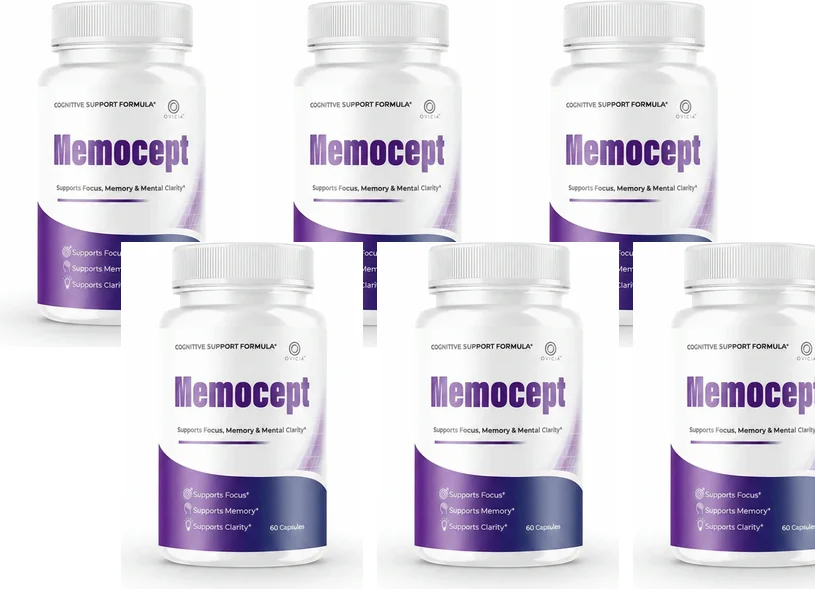
Bergamot is not in Memocept — see what is
Citrus bergamot is not among the ingredients the seller names in Memocept. The five actives listed are Bacopa monnieri, Huperzine-A, Rhodiola rosea, L-Tyrosine and caffeine from green coffee, each named individually rather than hidden in a proprietary blend — and we would rather you read the panel than take our word for it.
Order NowSo why is bergamot in nootropic formulas at all?
The defensible answer is antioxidant rationale, and it should be stated as rationale rather than as benefit. Bergamot polyphenols are genuinely potent antioxidants in laboratory work, and formulators include them on the reasoning that oxidative stress is implicated in cognitive ageing. That is a mechanism-level argument, not an outcome-level one. It is the same category of reasoning that puts vitamin C in a hundred products, and it is a long way short of "this ingredient improved memory in a trial."
It is worth being clear about how a four-ingredient formula divides its labour. In a capsule like Memocept, the fast-acting alertness comes from caffeine in green coffee; the memory-related mechanism rests on Huperzine-A acting as a reversible acetylcholinesterase inhibitor; Rhodiola rosea is the fatigue and mental-endurance component; and Bacopa monnieri is the slow-building memory ingredient. Citrus bergamot is not among the five actives the seller names. If you are evaluating whether such a formula is worth taking, the evidence weight sits with the huperzine A, ginseng and caffeine trial data, not with bergamot. Bergamot is a supporting ingredient with a plausible story and a thin cognitive file.
What the evidence does not show
The list of things bergamot has not been shown to do is longer than the list of things it has, and pretending otherwise would be dishonest. This gap between what a shelf implies and what a trial shows is the pattern we take apart in nootropic myths versus what the research shows.
- It has not been shown to improve focus, attention or memory in healthy adults. There is no placebo-controlled trial to support such a statement. Not a weak one — none.
- The two cognitive pilots cannot establish cause. Open-label, uncontrolled designs with 10 and 20 participants generate hypotheses. They do not settle them.
- There is no established cognitive dose. Both pilots used 1,000 mg/day of BPF, but with no control arm that figure is a description of what was administered, not a validated dose.
- Aromatherapy findings do not apply. Inhaled bergamot essential oil and swallowed bergamot polyphenols are different exposures via different routes with different compounds.
- Long-term safety data in healthy adults is limited. Most human studies are weeks to a few months, in specific clinical populations.
- Nothing here is about any disease. Bergamot is a food-derived polyphenol sold as a dietary supplement ingredient. If you have concerns about memory, concentration or mood, that is a conversation for a clinician, not a supplement decision.
One practical consequence: because bergamot works slowly on the outcomes it has actually been studied for, and because most of its capsule companions have their own separate timelines, expectations matter. We set those out ingredient by ingredient in our guide to how long nootropics take to work.
Safety and who should be cautious
Bergamot extract is generally well tolerated in the trials conducted so far, with gastrointestinal complaints the most commonly reported issue. Two specific cautions are worth naming. Bergamot is a citrus, and citrus flavonoids — grapefruit being the notorious example — can interfere with the enzymes that metabolise a number of prescription drugs; whether standardised bergamot extract does this to a clinically relevant degree is not well characterised, which is itself a reason to check with a pharmacist. And because much of bergamot's studied activity is on lipids and glucose handling, anyone taking a statin or a diabetes medication should raise it with their doctor rather than assume it is inert.
Pregnancy, nursing, and use under 18 have not been studied and are standard reasons to avoid supplementation.
Frequently asked questions
Does citrus bergamot improve focus or memory?
There is no good evidence that it does in healthy adults, because no placebo-controlled cognitive trial of bergamot in healthy adults has been published. The only human cognitive data comes from two small open-label pilots in schizophrenia outpatients, one with 10 participants over 30 days and one with 20 participants over 8 weeks, both using 1000 mg per day of bergamot polyphenolic fraction. Neither had a placebo group, so the changes they recorded cannot be separated from practice effects or expectation.
What dose of citrus bergamot was used in the cognitive studies?
Both cognitive pilots used 1000 mg per day of bergamot polyphenolic fraction, usually abbreviated BPF, which is a standardised polyphenol extract rather than bergamot essential oil or bergamot juice. A separate 60-day study using a lower 500 mg daily dose reported no change in the metabolic measures it tracked. Multi-ingredient nootropic capsules typically contain far less bergamot than 1000 mg, and the amount is only knowable from the Supplement Facts panel.
Is bergamot essential oil the same as the bergamot in supplements?
No, and this is the most common confusion on the topic. Bergamot essential oil is the aromatic oil pressed from the peel and used in Earl Grey tea and aromatherapy. Bergamot polyphenolic fraction is a swallowed extract standardised for flavonoids such as brutieridin and melitidin. Aromatherapy research on inhaled bergamot oil says nothing about what a bergamot capsule does, and the two should never be cited interchangeably.
What is citrus bergamot actually well studied for?
Lipids. A 2022 systematic review and meta-analysis in Phytotherapy Research pooled 14 randomised controlled trials and reported reductions in total cholesterol, triglycerides and LDL cholesterol, with the authors noting that higher-quality studies are still needed. That is a metabolic and cardiovascular literature, not a cognitive one, and it is the honest reason bergamot appears in supplement formulas: an antioxidant and polyphenol rationale, not a demonstrated brain benefit.
Was the 36-week citrus trial in older adults a bergamot trial?
No. The 36-week randomised placebo-controlled trial in 80 adults aged 60 to 75 with subjective cognitive decline used 400 mg of Citrus limon peel extract, which is lemon, standardised to 0.1 mg auraptene and 3 mg naringenin. It is frequently cited as bergamot evidence and it is not. Its results, published in Nutrition Journal in 2024, found that scores improved in both arms and that the citrus peel extract did not beat placebo.
Medical note: this article is general information, not medical advice. These statements have not been evaluated by the Food and Drug Administration, and this product is not intended to diagnose, treat, cure or prevent any disease. Speak to a healthcare professional before starting any supplement, especially if you take prescription medication, are pregnant or nursing, or are managing a health condition. Individual results vary.
Scientific references
- Bruno A., Pandolfo G., Crucitti M., Cedro C., Zoccali R.A., Muscatello M.R.A. (2017) — Bergamot Polyphenolic Fraction Supplementation Improves Cognitive Functioning in Schizophrenia: Data From an 8-Week, Open-Label Pilot Study, Journal of Clinical Psychopharmacology 37(4):468–471
- Crucitti M., Bruno A., Pandolfo G. et al. (2017) — Cognitive outcomes of Bergamot Polyphenolic Fraction (BPF) supplementation in schizophrenia: preliminary data, European Psychiatry 41(S1) (conference abstract, n = 10)
- Galluzzi S. et al. (2022) — Cognitive and biological effects of citrus phytochemicals in subjective cognitive decline: a 36-week, randomized, placebo-controlled trial, Nutrition Journal (study protocol — no results reported)
- Galluzzi S., Marizzoni M., Gatti E. et al. (2024) — Citrus supplementation in subjective cognitive decline: results of a 36-week, randomized, placebo-controlled trial, Nutrition Journal 23(1):135 (null result)
- Bruno A. et al. (2017) — Low-Dose of Bergamot-Derived Polyphenolic Fraction (BPF) Did Not Improve Metabolic Parameters in Second Generation Antipsychotics-Treated Patients: Results from a 60-days Open-Label Study, Frontiers in Pharmacology
- Bruno A. et al. (2017) — Metabolic outcomes of bergamot polyphenolic fraction administration in patients treated with second-generation antipsychotics: a pilot study, Journal of Nutritional Biochemistry 40:32–35
- Sadeghi-Dehsahraei H., Esmaeili Gouvarchin Ghaleh H., Mirnejad R., Parastouei K. (2022) — The effect of bergamot supplementation on lipid profiles: a systematic review and meta-analysis of randomized controlled trials, Phytotherapy Research 36(12):4409–4424
- NIH Office of Dietary Supplements — Dietary supplement fact sheets
Judge the formula on its strongest ingredient, not its weakest
Bergamot's cognitive file is thin and we have said so. If you want to see how the rest of the formula stacks up — every active named, no proprietary blend — the official store lists the label in full.
Order Now