Huperzine A, Ginseng and Caffeine for Focus and Memory: What the Research Actually Shows
Quick Answer: Do These Nootropic Ingredients Help Focus and Memory?
Partly, and unevenly. Caffeine is the reliable one: it clearly improves alertness, vigilance and reaction time in the short term. Huperzine A, the acetylcholinesterase inhibitor from clubmoss, has real but limited evidence for memory — mostly from small trials in cognitive decline rather than in healthy adults. Panax ginseng has a modest, mixed record for mental fatigue. None of them is a smart drug, none treats a cognitive disease, and the memory-related effects, where they exist, build over weeks rather than minutes.
- Strongest finding: caffeine for short-term alertness and reaction time.
- Dose that matters: caffeine around 40–200 mg; check the label total.
- Key caveat: support, not a cure — see a clinician for genuine memory concerns.
Why caffeine is the ingredient that actually delivers
Of the common nootropic ingredients, caffeine has by far the strongest and most consistent evidence. It blocks adenosine receptors, which is why it reliably raises alertness, shortens reaction time and improves vigilance on boring, sustained tasks. That is a real and useful effect — but it is short-lived, it builds tolerance, and taken too late or too high it causes jitteriness and wrecks sleep, which quietly undoes any cognitive gain. In green coffee, caffeine arrives alongside chlorogenic acid, an antioxidant, though the alertness is the caffeine's doing.
The huperzine A side of the story
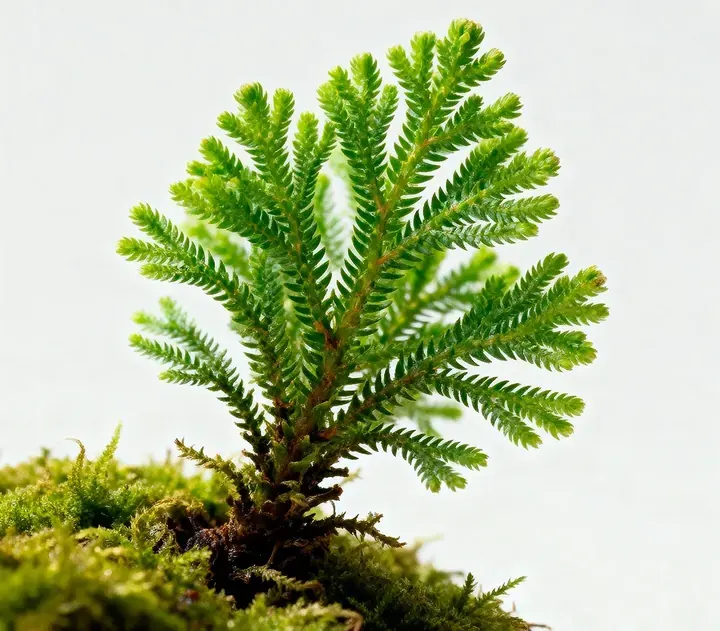
Huperzine A is the ingredient that gives a nootropic its "memory" claim. It is an acetylcholinesterase inhibitor, meaning it slows the breakdown of acetylcholine — the neurotransmitter most tied to learning and memory, and the same pathway that prescription Alzheimer's drugs target. Systematic reviews, including Cochrane, have examined huperzine A for cognition in Alzheimer's disease and found some benefit, but repeatedly flagged that the trials were small and methodologically weak. Evidence that it sharpens everyday memory in healthy people is much thinner. It is also pharmacologically active, which is exactly why the microgram dose on a label matters and why it is worth discussing with a doctor.
What the evidence supports, in one table
| Ingredient | What the research supports |
|---|---|
| Caffeine (green coffee) | Reliable short-term alertness, reaction time and vigilance |
| Huperzine A (clubmoss) | Some memory benefit in small, weak trials; thin in healthy adults |
| Panax ginseng | Modest, mixed evidence for mental fatigue; drug interactions matter |
| Chlorogenic acid | Antioxidant; little direct cognitive evidence |
| Citrus bergamot | Mostly metabolic evidence; not established for cognition |
Where the evidence stops
Two honest limitations are worth stating plainly. First, a finished multi-ingredient supplement is not the same as any single studied dose — the ingredients can have evidence while the specific product has never been trialled. Always check a label's huperzine A micrograms and caffeine milligrams against what the studies actually used. Second, none of this treats a cognitive disease. If you are experiencing genuine memory loss, confusion or persistent brain fog, that is a medical situation, and a supplement is not the answer — a clinician is.
Ginseng: which species, and what the reviews conclude
Ginseng is the most slippery of the three ingredients, because “ginseng” on a label can mean several different plants. Asian ginseng (Panax ginseng) and American ginseng (Panax quinquefolius) are genuinely related and both contain ginsenosides, but in different proportions; Siberian ginseng (Eleutherococcus senticosus) is not a Panax species at all and does not belong in the same evidence conversation. If a label just says “ginseng” with no species and no ginsenoside percentage, you cannot match it to any trial.
The pooled evidence is sober. A Cochrane review of ginseng for cognition concluded there was no convincing evidence that it improves cognition in healthy adults (Geng et al., Cochrane Database of Systematic Reviews, 2010), and a more recent meta-analysis of ginseng and cognitive function remains cautious about the size and consistency of the effect (Zeng et al., Phytotherapy Research, 2024). Individual trials of standardised branded extracts, such as the American ginseng preparation tested for acute and chronic effects on mood and cognition in healthy young adults (Bell et al., European Journal of Nutrition, 2022), look better than the pooled picture — which is exactly the pattern you would expect when single trials are small and often industry-funded. Our guide to branded nootropic ingredients unpacks why a trademarked extract is a quality signal rather than an efficacy one.
How the three ingredients differ in timing
The most common disappointment with this combination comes from expecting all three to behave like caffeine. They do not, and the timelines are not close.
| Ingredient | When an effect would show | What you would notice |
|---|---|---|
| Caffeine | 20–60 minutes, same day | Alertness, faster reaction time, less perceived effort |
| Huperzine A | Weeks of daily use in the trial literature | Memory measures in clinical populations; little in healthy adults |
| Panax ginseng | Some acute studies; most chronic dosing runs weeks | Mental fatigue and mood, modest and inconsistent |
That mismatch has a practical consequence: on day one you are feeling caffeine and nothing else, so judging a formula after a single capsule tells you almost nothing about the botanical half of it. Our timeline breakdown of how long nootropics take to work sets realistic checkpoints, and the best time of day to take nootropics matters most for the caffeine component, because a late dose costs you sleep and sleep costs you next-day cognition.
Common mistakes when combining these three
Adding coffee on top without counting it. The caffeine in a capsule stacks with every cup you drink; the total is what your body responds to, not the label figure in isolation. Treating huperzine A as a daily-forever ingredient. It is pharmacologically active at microgram doses, and the sensible questions about duration and breaks are covered in our guide to huperzine A dosage. Ignoring medication. Huperzine A acts on the same cholinergic pathway as prescription Alzheimer’s drugs, and ginseng has documented interactions — anyone taking anticoagulants, diabetes medication or drugs affecting the nervous system should read which nootropics interact with medication and speak to a pharmacist first. Judging the stack while sleeping badly. If your baseline is four hours of sleep, no combination of these three will fix the deficit; it will only mask it for a few hours.
Frequently asked questions
Does huperzine A improve memory?
There is genuine but limited evidence. Huperzine A is an acetylcholinesterase inhibitor, and reviews including Cochrane have looked at it for cognition in Alzheimer's disease, reporting some benefit — but the trials were often small and of variable quality. Evidence in healthy people wanting sharper everyday memory is much thinner. It is studied support, not a proven memory cure.
How much caffeine is a useful dose?
Caffeine reliably improves alertness and reaction time, with common study doses in the range of roughly 40 to 200 mg. The exact amount in any supplement, and how it adds to your other coffee or tea, is worth checking on the label — more is not automatically better and can cause jitters or disturbed sleep.
What does Panax ginseng do for the brain?
Panax ginseng is an adaptogen studied mainly for mental fatigue and short-term cognitive performance. The evidence is mixed but leans positive for reduced tiredness. It can interact with blood thinners and diabetes medication, so it is worth flagging to a doctor.
Is a nootropic supplement a smart drug?
No. These are dietary supplements, not pharmaceuticals, and they are not a treatment for any cognitive disease. The realistic effect is modest support for alertness and, more tentatively, memory — not a permanent increase in intelligence. Anyone claiming otherwise is overselling.
Medical note: this article is general information, not medical advice. Speak to a healthcare professional before starting any supplement, especially if you are sensitive to caffeine, take prescription medication, or have a heart condition — huperzine A and ginseng in particular can interact with several drugs.
Scientific references
- Li J, Wu HM, Zhou RL, Zhang GQ, Zhang HY — Huperzine A for Alzheimer’s disease, Cochrane Database of Systematic Reviews 2008;(2):CD005592 (PMID 18425924)
- NIH NCCIH — Asian Ginseng: What You Need To Know
- NIH NCCIH — Caffeine and health
- NIH Office of Dietary Supplements — Dietary supplement fact sheets
- Yang G, Wang Y, Tian J, Liu JP — Huperzine A for Alzheimer’s disease: a systematic review and meta-analysis of randomized clinical trials, PLoS One 2013;8(9):e74916 (PMID 24086396)
- Geng J, Dong J, Ni H, Lee MS, et al. — Ginseng for cognition, Cochrane Database of Systematic Reviews 2010;(12):CD007769 (PMID 21154383)
- Bell L, Whyte A, Duysburgh C, Marzorati M, et al. — A randomized, placebo-controlled trial investigating the acute and chronic benefits of American ginseng (Cereboost) on mood and cognition in healthy young adults, Eur J Nutr 2022;61(1):413–428 (PMID 34396468)
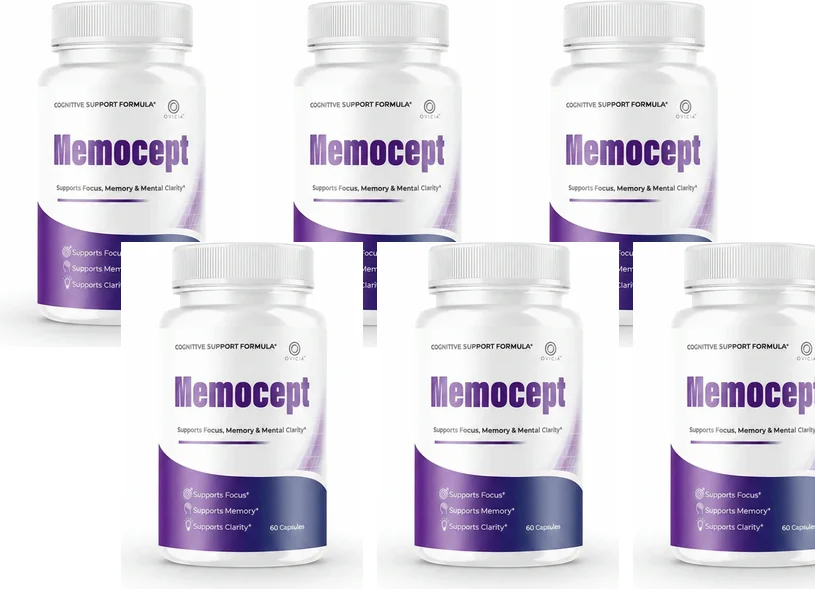
See how Memocept puts this together
Huperzine-A, Bacopa monnieri, Rhodiola rosea, L-Tyrosine and green-coffee caffeine in one daily capsule — with every named ingredient and its evidence laid out. Panax ginseng is not among them.
Read the Memocept Review