Nootropic Myths vs What the Research Actually Shows
Quick Answer: What Do Nootropics Really Do?
Nootropics offer small, gradual support — not a limitless pill. The four biggest myths: that they work instantly (Bacopa needs about 8–12 weeks; many effects are cumulative), that more is better (higher doses add side effects, not benefits), that natural means risk-free (herbs interact with medications), and that one pill fits everyone (responses vary; sleep and diet dominate). Keep expectations realistic.
- Not instant: most real effects build over weeks.
- Not "more is better": respect label serving sizes.
- Not automatically safe: natural still interacts.

Why the myths persist
Nootropics sit at an awkward intersection: real science on one side, aggressive marketing on the other, and a famous film about a pill that turns an ordinary man into a genius looming over the whole conversation. The result is a category where genuine, modest findings get inflated into promises no ingredient can keep. Sorting the two apart is not cynicism; it is the only way to set expectations that a supplement can actually meet, and to spend money on the things that work rather than the things that are marketed loudest. Here are the four myths that cause the most disappointment, and what the evidence really says.
Myth 1: Nootropics work instantly
This is the big one, and it is the source of most abandoned bottles. People try a memory supplement for three days, feel nothing dramatic, and conclude it is useless. But the timeline they are applying belongs to a different kind of ingredient. A few nootropics do act fast — caffeine improves alertness and reaction time within an hour — but even there the effect is a modest lift, not a transformation in intelligence.
The ingredients people actually associate with memory are cumulative. Bacopa monnieri is the clearest example: the human trials that found improvements in memory and information processing ran for roughly eight to twelve weeks of daily dosing, and the benefit appears to build across that window rather than appear in a single dose. Judging Bacopa after three days is like weighing yourself after one gym session. The realistic expectation is small, gradual change measured over weeks, and the practical implication is patience: you cannot evaluate a cumulative ingredient on a stimulant's schedule. Our guide to how long nootropics take to work lays out the timelines ingredient by ingredient.
Myth 2: More is better
The "if a little helps, a lot must help more" instinct is intuitive and almost always wrong. For most cognitive-support ingredients, the dose-response curve is not a straight line up. There is a range where the effect appears, a plateau where extra does little, and a region beyond it where you mainly accumulate side effects. Pushing the dose past the studied range does not buy more benefit; it buys more risk.
Caffeine is the everyday demonstration. A moderate dose sharpens focus; double it and many people get jittery, anxious and unable to sleep — the opposite of the clear thinking they wanted. The trials that found benefits for various ingredients used specific, bounded doses, and the serving sizes printed on labels reflect that. The evidence-based approach is the reverse of megadosing: find the lowest dose that produces the effect, respect the label serving size, and treat "take more" as the last lever to pull, not the first. This is also why hidden proprietary blends are a problem — you cannot dose sensibly if you cannot see the amounts, a point covered in reading a nootropic supplement label.
Myth 3: Natural means risk-free
"Natural" is one of the most reassuring words in supplement marketing and one of the least informative. It describes where a molecule comes from, not how it behaves in your body. Some of the most potent compounds known are entirely natural. More to the point, natural ingredients can interact with prescription medications in ways that matter.
The examples are concrete. Huperzine A is plant-derived, yet it acts on the same enzyme (acetylcholinesterase) as certain prescription drugs, which is exactly why combining them warrants medical advice. Panax ginseng may interfere with blood clotting and can add to the effect of diabetes medication. And there is a structural point beneath the individual cases: in the United States, dietary supplements are not reviewed by the FDA for safety and effectiveness before they go on sale, so the assurance you would get from a prescription-drug approval process simply is not there. None of this makes botanical ingredients bad. It means "natural" earns no free pass, and the sensible move is to treat every active with respect, read the label, and check with a pharmacist if you take any medication. Our detailed guide to nootropic drug interactions and who should avoid them covers the specifics.
Myth 4: There is a universal "limitless pill"
The dream of a single pill that works the same wonders for everyone runs into a wall of individual variation. People respond differently to the same ingredient for reasons that are well understood. Genetics shape how quickly you metabolise a compound — the reason one person's espresso is another person's sleepless night. And your baseline matters enormously: if you have a genuine dietary gap or run chronically short on sleep, an ingredient has room to help; if your foundations are already excellent, there is less to gain.
That last point deserves emphasis because it is the quiet truth of the whole category: sleep, diet, stress and hydration influence cognition more than almost any supplement does. A nootropic operates at the margin, on top of those foundations. This is precisely why no universal limitless pill exists and never will — the biggest levers are behavioural, individual, and unglamorous. It is also why other people's glowing testimonials are weak evidence for you specifically. The only reliable test is the boring one: change a single variable, keep a log, and judge the ingredient against your own baseline over weeks. See how to tell if a nootropic is working for the method.
Myth 5: If it is on sale, it must be proven
A quieter assumption underpins the other four: that a product on a shelf, with confident packaging and a page of citations, must have cleared some bar of proof. In the dietary-supplement world that bar is lower than most buyers imagine. Products do not need to demonstrate efficacy to a regulator before sale, and a citation on a sales page is not the same as evidence that the specific product, at its specific doses, does what the headline claims. Studies get cited that used a different dose, a different population, or an isolated ingredient rather than the blend in the bottle.
This is where reading skills matter more than trust. The useful questions are concrete: does the trial being cited match the dose on this label, was it in humans, was it placebo-controlled, and how many people were in it? A single small study is a hint, not a verdict; a consistent picture across several trials is worth far more. You do not need a science degree to ask whether the amount in the capsule matches the amount in the study — you need a transparent label that prints the amount at all. The absence of that transparency is itself a useful signal. Ginkgo biloba is the cautionary case worth knowing: it is among the most heavily sold memory botanicals and also one of the most rigorously tested, and the largest trials found it did not prevent cognitive decline — the full picture is in our guide to Ginkgo biloba and brain blood flow.
Myths and reality, side by side
| The myth | What the research shows |
|---|---|
| Works instantly, like the movie | A few effects are fast and modest; many are cumulative over 8–12+ weeks |
| More is better | Effects plateau; higher doses add side effects, not benefits |
| Natural means safe | Herbs can interact with medications; supplements are not pre-approved for safety |
| One pill fits everyone | Responses vary by genetics and baseline; sleep and diet dominate |
| A supplement can replace the basics | Foundations do the heavy lifting; supplements work at the margin |
What honest expectations look like
Stripping out the myths does not leave nothing. It leaves a realistic and still worthwhile picture. Caffeine reliably improves short-term alertness. Some ingredients have reasonable evidence for stress-related fatigue. Bacopa has repeated trial support for memory over a multi-week course. The gains are real but small, they build slowly, they vary between people, and they sit on top of good sleep and diet rather than replacing them. A product that describes itself in those terms is being honest; one that promises overnight genius is selling the myth. The difference between disappointment and satisfaction in this category is almost entirely a matter of which set of expectations you started with.
A formula that respects the evidence
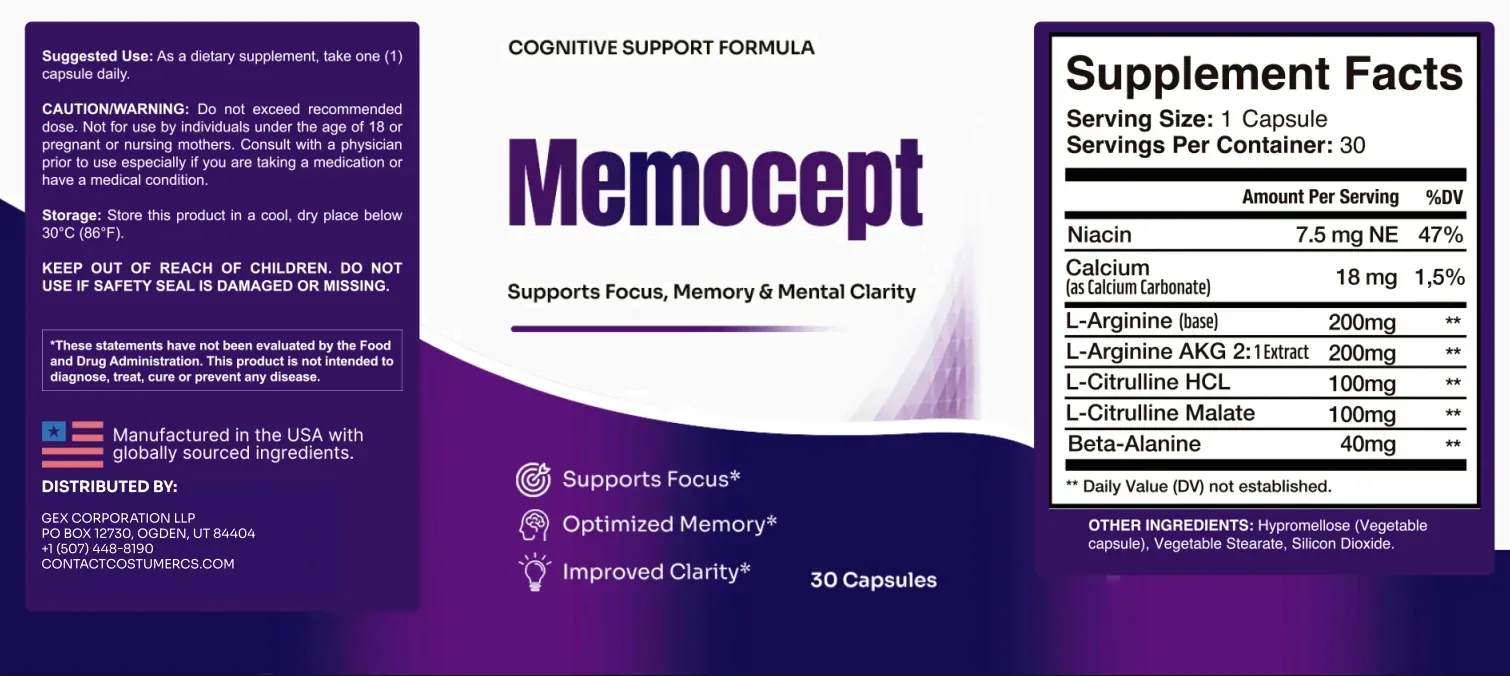
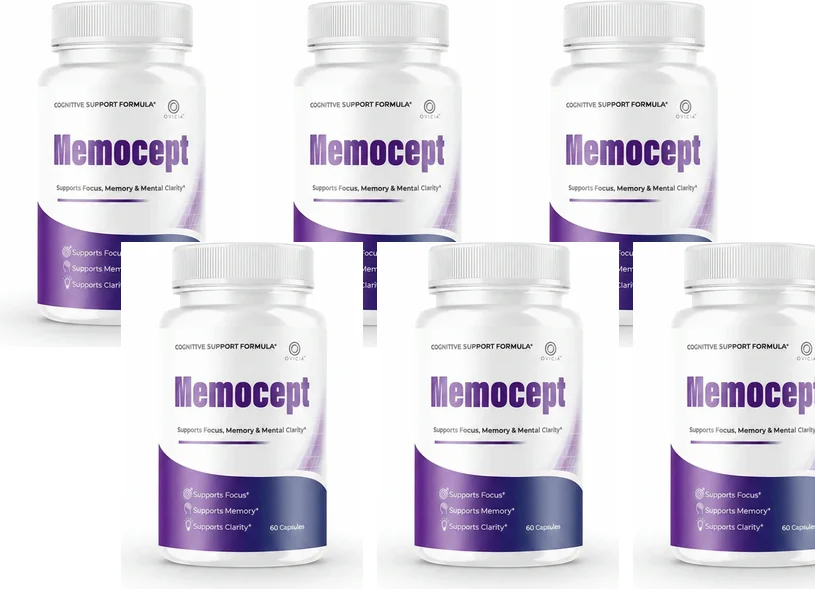
Memocept pairs Bacopa monnieri, Huperzine-A, Rhodiola rosea, L-Tyrosine and caffeine from green coffee in a once-daily capsule, with every active named and no proprietary blend — so you can match what you take to what the studies used and keep expectations realistic. See the panel on the main product page.
Order NowRelated reading
- How to Build a Nootropic Stack Safely: 2026 Guide
- Nootropic Cycling and Tolerance: When to Take Breaks
- Brain Fog: Real Causes and Evidence-Based Fixes
Frequently asked questions
Do nootropics give instant limitless-style results?
No. The instant, movie-style transformation is the single most persistent myth in the category and it does not match the evidence. A few ingredients do act quickly, caffeine being the obvious one, but the changes are modest improvements in alertness and reaction time, not a step-change in intelligence. Many of the ingredients people actually want are cumulative: Bacopa monnieri's memory benefit builds over roughly eight to twelve weeks of daily use, and other effects appear gradually rather than in a single dose. If a product promises overnight genius, that promise is a marketing claim, not a research finding. Realistic expectations are small, gradual and best measured over weeks, not minutes.
Is taking a higher dose of a nootropic more effective?
Usually not, and often the opposite. The assumption that if a little helps then more helps more is one of the most common and most avoidable mistakes. For most ingredients there is a range where the effect plateaus, and pushing beyond it tends to add side effects rather than benefits. Caffeine is a clear example: past a certain point you get jitteriness, anxiety and disrupted sleep instead of sharper focus. Labels carry serving sizes for a reason, and the studies that found benefits used specific doses, not open-ended ones. The evidence-based move is to respect the label serving size, find the lowest dose that works for you, and never megadose in search of a bigger effect.
Does natural mean a nootropic is automatically safe?
No. Natural describes where a molecule comes from, not how risky it is. Plenty of powerful and even dangerous compounds are entirely natural, and herbal ingredients can interact with prescription medications in real ways. Huperzine A, for instance, is plant-derived yet acts on the same enzyme as certain prescription drugs, and ginseng can interact with blood thinners and diabetes medication. Dietary supplements are also not reviewed for safety and effectiveness before sale the way medicines are, so the burden of caution falls on the buyer. The sensible position is to treat natural ingredients with the same respect as any active compound, read the label, and check with a pharmacist if you take any medication.
Why do nootropics affect people so differently?
Because individual biology and baseline vary enormously. Genetics influence how fast you metabolise a compound, which is why the same caffeine dose leaves one person wired and another unmoved. Your starting point matters too: someone with a genuine dietary gap or poor sleep may notice more from an ingredient than someone whose foundations are already excellent, simply because there is more room to improve. Sleep, diet, stress and hydration exert a larger effect on cognition than most supplements do, so they also shape how much a nootropic appears to add on top. This is exactly why there is no universal limitless pill, and why testing one variable at a time in your own log beats trusting someone else's testimonial.
Medical note: this article is general educational information about nootropic claims and evidence, not medical advice, and it is not a substitute for a pharmacist or physician. No supplement described here treats, cures or prevents any disease. Speak to a healthcare professional before starting any supplement, especially if you are pregnant or nursing, take prescription medication, or are managing a health condition.
Scientific references
- Stough C., Downey L.A., Lloyd J., et al. — Examining the nootropic effects of a special extract of Bacopa monniera on human cognitive functioning: 90-day double-blind trial, Phytotherapy Research 2008;22(12):1629–1634 (PMID 18683852)
- Kongkeaw C., Dilokthornsakul P., Thanarangsarit P., Limpeanchob N. — Meta-analysis of randomized controlled trials on cognitive effects of Bacopa monnieri extract, Journal of Ethnopharmacology 2014;151(1):528–535 (PMID 24252493)
- U.S. Food and Drug Administration — Questions and answers on dietary supplements (supplements are not FDA-approved for safety and effectiveness before sale)
- Memorial Sloan Kettering Cancer Center — Huperzia serrata (huperzine A): mechanism and herb-drug interactions
- NCCIH (National Center for Complementary and Integrative Health) — Asian ginseng: interactions with anticoagulant and diabetes medication
- Mayo Clinic — Caffeine: how much is too much? (dose, tolerance and side effects)
Realistic expectations, transparent label
The antidote to the myths is a formula that tells you exactly what is inside. Memocept names all five actives — Bacopa monnieri, Huperzine-A, Rhodiola rosea, L-Tyrosine and caffeine from green coffee — with no proprietary blend, so you can judge it against the evidence, not the hype. Check with a clinician first if you take any medication.
Order Now