Ginkgo Biloba for Brain Blood Flow, Focus and Memory: What the Research Actually Shows
Quick Answer: Does Ginkgo Biloba Help Brain Blood Flow and Memory?
Partly, and the evidence is genuinely mixed. Ginkgo biloba’s most plausible action is on circulation: the standardised leaf extract appears to support blood flow and behaves as an antioxidant, which is why it has been studied for cerebral and peripheral circulation. There is some support for people with existing mild cognitive complaints, but large, well-run trials found it does not prevent cognitive decline or reliably sharpen memory in healthy adults. It is studied support for blood flow, not a proven memory booster, and it interacts with blood thinners — so it belongs in a “maybe helpful, handle with care” category rather than a miracle one.
- Most plausible effect: support for microcirculation and blood flow.
- Dose that matters: standardised extract around 120–240 mg a day; check the label.
- Key caveat: not a proven memory cure — and it can interact with blood thinners.

What Ginkgo Biloba actually is
Ginkgo biloba is an extract made from the fan-shaped leaves of one of the oldest surviving tree species on earth. What matters for the brain claims is not the raw leaf but the standardised extract — the version used in most serious research is standardised to roughly 24 percent flavone glycosides and 6 percent terpene lactones, and is often labelled EGb 761. Those flavonoids and terpenoids (including ginkgolides and bilobalide) are the compounds credited with ginkgo’s antioxidant and circulation effects. This standardisation is the whole game: an unstandardised “ginkgo” capsule can contain very different amounts of active compounds, which is one reason study results and real-world results so often diverge.
EGb 761: what the big trials found
Ginkgo has been tested more rigorously than most botanicals, and the headline results are sobering. The Ginkgo Evaluation of Memory (GEM) study, a large randomised trial in older adults using 120 mg of standardised extract twice daily, found that ginkgo did not prevent Alzheimer’s disease or overall dementia. A companion analysis found it did not slow the normal rate of cognitive decline either. Cochrane reviewers, pooling the dementia and cognitive-impairment trials, concluded the evidence was inconsistent and unreliable — some earlier, smaller studies looked promising, but the larger and better-designed the trial, the more the effect tended to shrink. Where a signal does appear, it is mostly in people who already have mild cognitive complaints, not in healthy adults chasing an edge.
What the evidence supports, in one table
| Use | What the research supports |
|---|---|
| Cerebral blood flow / microcirculation | Plausible mechanistic support; the most consistent part of the story |
| Mild cognitive complaints (existing) | Some, mixed benefit in smaller trials |
| Preventing dementia in older adults | Large trials (GEM) found no preventive benefit |
| Memory boost in healthy adults | Not supported by strong evidence |
| Peripheral circulation / tinnitus | Studied with modest, uneven results |
How much Ginkgo Biloba — the 120 to 240 mg question
Across the human literature, the doses that were actually studied cluster around 120 to 240 mg of standardised extract per day, usually split into two doses with food. Higher is not automatically better, and pushing the dose does not overcome the deeper problem that the outcome data are weak. The more important number on a label is the standardisation percentage, not the milligrams: 120 mg of a properly standardised EGb-style extract is closer to what the trials used than 240 mg of an unstandardised powder. Effects, where people report them, build over weeks — ginkgo is not something you feel kick in within an hour like caffeine.
The blood-flow mechanism behind the claims
The most defensible part of ginkgo’s reputation is circulatory. The extract is thought to relax blood vessels, reduce the stickiness of platelets, inhibit platelet-activating factor and mop up free radicals as an antioxidant — a combination that could, in theory, support microcirculation and oxygen delivery to tissues, including the brain. That is a reasonable mechanism, and it is why ginkgo has been investigated for peripheral blood flow. The honest catch is that better blood flow on paper does not reliably translate into measurably better memory or focus in trials. A plausible mechanism is a starting point, not proof of benefit, and this is exactly the gap that ginkgo marketing tends to paper over.
Where the evidence stops
Two limitations deserve to be stated plainly. First, a finished multi-ingredient supplement is not the same as any single studied dose of standardised extract — the ingredient can carry evidence while the specific product has never been trialled, so always match a label’s ginkgo amount and standardisation against what the studies actually used. Second, ginkgo is not a treatment for any cognitive disease, and the strongest trials specifically failed to show it prevents dementia. If you are experiencing genuine memory loss, confusion or persistent brain fog, that is a medical situation for a clinician, not a supplement.
Safety: blood thinners and who should be careful
Ginkgo is generally well tolerated, with mild side effects such as headache, stomach upset or dizziness in some people. The safety point that matters most is bleeding. Because ginkgo can reduce platelet stickiness, it may add to the effect of anticoagulant or antiplatelet drugs such as warfarin or aspirin, and it is commonly advised to stop it before surgery. It can also interact with other medications, and raw ginkgo seeds are toxic and should never be eaten. Anyone on blood thinners, with a bleeding or seizure disorder, who is pregnant or nursing, or approaching an operation should clear ginkgo with a doctor first.
How Ginkgo compares with the ingredients in a typical nootropic formula
Ginkgo is often assumed to be the strongest memory botanical because it is the most famous one. The trial record does not support that ranking. Set against the other commonly used ingredients, ginkgo has the largest and best-funded body of research and one of the least encouraging sets of results — a combination worth sitting with, because it is what a well-tested botanical looks like when the answer is mostly no.
| Ingredient | Best-supported use | Quality of the human evidence |
|---|---|---|
| Ginkgo biloba | Circulation; mild cognitive complaints | Large trials; no benefit for prevention of decline |
| Bacopa monnieri | Memory recall over 8–12 weeks | Several small randomised trials and meta-analyses |
| Caffeine | Alertness and reaction time, same day | Strong and consistent, but short-lived |
| Rhodiola rosea | Mental fatigue under stress | Small trials, mixed quality |
A network meta-analysis that compared Bacopa monnieri and Ginkgo biloba directly on cognitive outcomes places the two in the same modest bracket rather than crowning either (Tiemtad et al., Phytomedicine, 2026). If you are choosing between them, the more useful comparison is what each was actually tested for: our guide to Bacopa monnieri and the memory evidence covers the recall trials and their twelve-week timeline, which is a different claim from ginkgo’s circulation story.
Common mistakes when buying ginkgo
Buying on milligrams alone. The standardisation percentage is what matches a product to the trials; 240 mg of unstandardised leaf powder is not a bigger dose of what was studied, it is a different substance. This is the same trap covered in reading a nootropic supplement label. Assuming a branded extract name means proven benefit. A trademark certifies a manufacturing specification, not an outcome — see branded nootropic ingredients explained. Expecting it to work like a stimulant. Nothing in the ginkgo literature suggests a same-day effect you can feel. Overlooking the bleeding interaction. This is the one genuinely important safety point, and it is not hypothetical: anyone on anticoagulant or antiplatelet medication, or with surgery scheduled, should read which nootropics interact with medication and talk to a doctor before starting.
Frequently asked questions
Does Ginkgo Biloba improve memory in healthy adults?
The honest answer is not reliably. Large, well-run trials such as the Ginkgo Evaluation of Memory (GEM) study found that standardised ginkgo did not prevent cognitive decline or dementia in older adults. Some smaller studies report modest benefit for people with existing mild cognitive complaints, but ginkgo is not a proven memory booster in healthy people. It is studied support for circulation, not a smart drug.
How much Ginkgo Biloba is a typical dose?
Most human trials used a standardised leaf extract (often labelled EGb 761) at roughly 120 to 240 mg per day, usually split into two doses. The standardisation to about 24 percent flavone glycosides and 6 percent terpene lactones matters more than the raw milligrams, because unstandardised products vary widely. Check the label rather than assuming a bigger number is better.
How does Ginkgo Biloba affect blood flow?
Ginkgo is thought to support microcirculation by relaxing blood vessels, reducing the stickiness of platelets and acting as an antioxidant. That circulation effect is the most plausible part of its story and is why it has been studied for peripheral blood flow. Improved blood flow does not automatically translate into sharper memory, which is where a lot of the marketing overreaches.
Is Ginkgo Biloba safe to take with blood thinners?
This is the main safety flag. Because ginkgo can reduce platelet stickiness, combining it with anticoagulant or antiplatelet drugs such as warfarin or aspirin, or taking it before surgery, may raise bleeding risk. Anyone on blood thinners, with a bleeding disorder, or approaching an operation should speak to a doctor before using it.
Medical note: this article is general information, not medical advice. Speak to a healthcare professional before starting any supplement, especially if you take blood thinners or other prescription medication, have a bleeding or seizure disorder, are pregnant or nursing, or have surgery scheduled — ginkgo in particular can increase bleeding risk.
Scientific references
- Birks J, Grimley Evans J. — Ginkgo biloba for cognitive impairment and dementia, Cochrane Database of Systematic Reviews
- DeKosky ST et al. — Ginkgo biloba for prevention of dementia (GEM study), JAMA 2008
- NIH NCCIH — Ginkgo: What You Need To Know
- NIH Office of Dietary Supplements — Dietary supplement fact sheets
- Diamond BJ, Bailey MR — Ginkgo biloba: indications, mechanisms, and safety, Psychiatr Clin North Am 2013;36(1):73–83 (PMID 23538078)
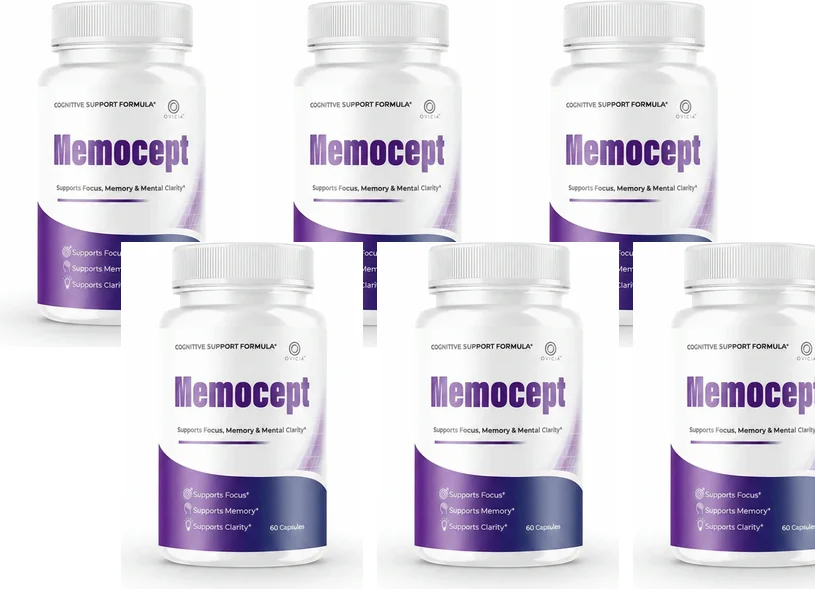
See how Memocept puts this together
Ginkgo is not in the formula, but Bacopa monnieri, Huperzine-A, Rhodiola rosea, L-Tyrosine and caffeine from green coffee are — five named actives in one daily capsule, with the evidence for each laid out.
Order Now