Brain Fog: Real Causes and Evidence-Based Fixes
Quick Answer: What Causes Brain Fog and What Actually Fixes It?
Brain fog is usually a systemic signal, not just tiredness. The common drivers are poor sleep, dehydration, blood-sugar swings, chronic stress and low-grade inflammation, plus acetylcholine depletion during intense mental work. Fix the foundations first — 7–9 hours of sleep, hydration, omega-3 DHA and movement — before supplements. L-theanine and Rhodiola may help stress-linked fog. Persistent fog warrants a doctor.
- Foundations first: sleep, water, balanced meals, movement.
- Stress-linked fog: L-theanine and Rhodiola may help.
- Red flag: constant or worsening fog needs a doctor.

Brain fog is a signal, not a diagnosis
Almost everyone has had it: the cloudy, slightly detached feeling where thoughts move through treacle, words hover just out of reach, and a task that should take twenty minutes takes an hour. "Brain fog" is the everyday name for that state. It is worth saying clearly at the outset that it is not a medical diagnosis and not a disease. It is a symptom — a signal that something in the wider system is off — and the most useful way to treat it is to read the signal rather than mute it.
That reframing matters because it changes where you look first. The instinct is to reach for a "focus" supplement. But if the fog is caused by five hours of broken sleep and no water since breakfast, no capsule will out-run the deficit. The genuinely evidence-based approach is unglamorous: identify the driver, fix the foundation, and only then consider whether a supplement has anything to add on top.
The usual suspects: what actually drives day-to-day fog
Most ordinary brain fog is the sum of a handful of systemic factors, often several at once. These are the ones with the strongest link to how clear-headed you feel.
Poor or short sleep. This is the heavyweight. Sleep is when the brain consolidates memory and clears metabolic waste, and even a single short night measurably degrades attention, working memory and reaction time. If you fix only one thing, fix sleep. Our piece on sleep, memory consolidation and focus covers why.
Dehydration. Studies of mild fluid loss — the kind you reach without noticing on a busy day — show worsened mood, reduced attention and increased perceived effort. A foggy afternoon is sometimes a glass of water in disguise.
Blood-sugar swings. A meal heavy in refined carbohydrate can spike glucose and then drop it, and the crash phase often shows up as cloudiness and fatigue. Steadier energy from balanced meals tends to flatten those dips.
Chronic stress. Sustained stress keeps the body in a state that is not built for careful thinking. It fragments sleep, drains motivation, and makes concentration harder to sustain.
Low-grade inflammation and oxidative stress. Ongoing low-level inflammation is increasingly linked to the subjective sense of mental sluggishness, which is part of why diet, movement and sleep — all of which influence it — matter so much.
The acetylcholine angle
There is one more driver worth understanding because it is specific to hard cognitive work. Acetylcholine is a neurotransmitter central to focus, learning and memory, and intense sustained mental effort draws on it. Some people experience the tail end of a long, demanding day as a particular kind of fog — a dull, sometimes headachy fade — that is often attributed to running the cholinergic system hard. This is why choline-rich foods and, in the supplement world, cholinergic ingredients get discussed in the context of mental stamina.
Keep the honesty dial turned up here: the everyday experience of an end-of-day fade is real, but the precise mechanism is not fully pinned down, and no supplement should be described as fixing it. What the acetylcholine angle usefully explains is why brain fog can arrive specifically after prolonged concentration rather than from tiredness alone, and why the memory-and-focus category of nootropics is built around this neurotransmitter in the first place.
The role of screens, breaks and mental pacing
One driver of everyday fog gets missed because it is so ordinary: sustained, unbroken cognitive load. Working for hours without a genuine break — not switching from a spreadsheet to social media, but actually stepping away — tends to erode attention and leave a cottony, unfocused feeling by mid-afternoon. This is partly the acetylcholine story from the previous section and partly simple mental fatigue. The nervous system is not built to hold high focus indefinitely, and pushing it to do so produces diminishing returns that feel a lot like fog.
The evidence-based countermeasure is unfashionably low-tech: structured breaks. Short, regular pauses — standing up, looking away from the screen, a few minutes of movement — give attention a chance to reset and blunt the late-day fade. Long, uninterrupted screen sessions also strain the eyes and disrupt the cues that keep energy steady. None of this costs anything or requires a capsule, and for a large number of people who describe an "afternoon fog," the fix is a genuine break every hour rather than a stronger coffee at 3pm.
Fix the foundations first — in this order
Before a single supplement, work through the foundations, because they account for the large majority of avoidable fog and they are free.
| Foundation | Target | Why it helps fog |
|---|---|---|
| Sleep | 7–9 hours, consistent schedule | Consolidates memory, clears metabolic waste, restores attention |
| Hydration | Steady fluids across the day | Even mild dehydration worsens attention and mood |
| Balanced meals | Protein, fibre, fewer refined-carb spikes | Flattens the glucose swings behind afternoon slumps |
| Omega-3 DHA | Oily fish or a supplement | DHA is a structural fat in brain cell membranes |
| Movement | Regular activity, plus breaks from sitting | Improves blood flow, sleep quality and stress regulation |
None of this is exciting, and that is exactly why it is under-used. The person chasing a nootropic for fog while sleeping six hours and drinking one coffee for lunch has the priorities inverted. Our guide to diet, exercise and hydration for everyday focus goes deeper on the foundations, and omega-3 DHA and brain health covers the fat that builds the hardware.

Where nootropic ingredients may actually help
Once the foundations are handled, some ingredients have a reasonable case for stress-related fog specifically. L-theanine, the calming amino acid in tea, has human studies suggesting it promotes a relaxed but alert state and softens the stress response, especially paired with caffeine — a combination covered in L-theanine and caffeine for calm focus. Rhodiola rosea is an adaptogen studied for stress-related mental fatigue, with some trials reporting less mental tiredness during demanding stretches; see Rhodiola rosea for mental fatigue.
A word on caffeine, because it is the reflex answer to fog: it genuinely improves alertness and reaction time in the short term, and it is the best-evidenced ingredient for an acute lift. But caffeine borrows against later energy and does nothing for the underlying cause. If the fog is a sleep debt, caffeine masks it rather than fixing it, and taken late it deepens the debt. It has a place; it is not a solution to chronic fog.
The honest summary is that supplements sit at the top of the pyramid, not the bottom. They may help stress-linked fog for some people, at the margin, on top of solid foundations. They do not compensate for a missing foundation, and none of them treats a medical cause.
When to stop self-managing and see a doctor
This is the most important section, so it is deliberately blunt. Brain fog that is constant, that persists for weeks despite good sleep, hydration and meals, or that is getting worse, is a reason to see a doctor rather than to buy another supplement. The same is true if it arrives with other symptoms — marked fatigue, mood changes, weight change, or memory problems that interfere with daily life.
The reason is simple: a long list of genuinely treatable medical conditions can present as fog, including thyroid disorders, nutrient deficiencies such as low B12 or iron, sleep disorders like apnoea, medication side effects, and depression or anxiety. A clinician can identify a cause that no supplement will fix, and some of those causes matter. Nothing on this page diagnoses, treats or cures any condition — and the single most evidence-based move for persistent fog is a proper assessment.
Support on top of solid foundations
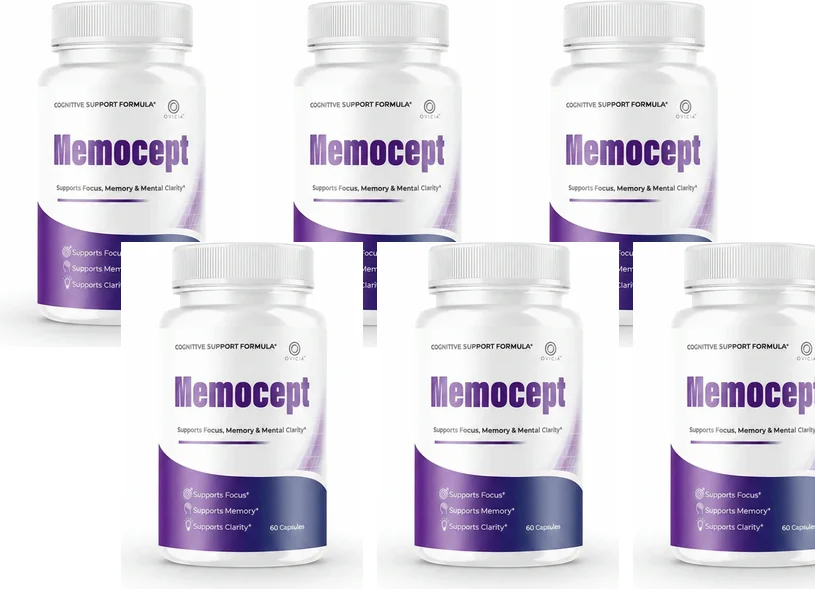
If your foundations are handled and you want daytime cognitive support, Memocept pairs Bacopa monnieri, Huperzine-A, Rhodiola rosea, L-Tyrosine and caffeine from green coffee in one once-daily capsule — five actives named individually, with no proprietary blend. See the full formula on the main product page.
Order NowRelated reading
- How to Build a Nootropic Stack Safely: 2026 Guide
- Nootropic Cycling and Tolerance: When to Take Breaks
- Nootropic Myths vs What the Research Actually Shows
Frequently asked questions
What actually causes brain fog day to day?
Day to day, brain fog is usually the sum of several ordinary systemic factors rather than a single mysterious cause. The most common drivers are poor or short sleep, dehydration, blood-sugar swings from irregular or highly refined meals, chronic stress, and low-grade inflammation or oxidative stress. On top of that, sustained intense mental work can transiently deplete acetylcholine, the neurotransmitter tied to focus and memory, which some people experience as a foggy, headachy fade late in a demanding day. The practical takeaway is that fog is a signal about how the whole system is running, so the fastest wins usually come from fixing sleep, hydration and meals rather than from reaching for a supplement first.
Can dehydration and low blood sugar cause brain fog?
Yes, and both are among the easiest causes to overlook and to fix. Even mild dehydration has been shown in studies to worsen mood, attention and perceived mental effort, so a foggy afternoon can sometimes be a water problem wearing a cognitive costume. Blood-sugar swings do something similar: a meal that spikes glucose and then drops it can leave you cloudy and tired during the crash, which is why large refined-carbohydrate meals often precede an afternoon slump. Steadier energy from balanced meals, staying hydrated across the day, and not skipping meals are boring but genuinely effective first moves. If fog persists despite fixing these, that is a reason to look further, ideally with a doctor.
Which nootropic ingredients may help stress-related fog?
For fog that is clearly tied to stress and mental fatigue, two ingredients have the most reasonable evidence. L-theanine, the calming amino acid from tea, has human studies suggesting it can promote a relaxed but alert state and take the edge off stress, particularly alongside caffeine. Rhodiola rosea is an adaptogen studied specifically for stress-related fatigue, with some trials reporting reduced mental tiredness during demanding periods. Neither is a cure for fog, and both work best on top of, not instead of, fixed sleep and hydration. If your fog is driven mainly by poor sleep or dehydration, a supplement aimed at stress will do little until the foundation is addressed.
When should brain fog be checked by a doctor?
Brain fog is a symptom, not a diagnosis, so persistent or worsening fog deserves a medical assessment rather than another supplement. See a doctor if the fog is constant, lasts for weeks despite good sleep, hydration and meals, or is getting worse, and especially if it comes with other symptoms such as marked fatigue, mood changes, weight change, or memory problems that interfere with daily life. Many treatable medical causes can present as fog, including thyroid problems, nutrient deficiencies, sleep disorders, medication side effects and depression or anxiety. Nothing on this page diagnoses or treats any of those; the point is that a clinician can identify a cause that no supplement will fix.
Medical note: this article is general educational information about brain fog, not medical advice, and it is not a substitute for a physician. Brain fog is a symptom that can have treatable medical causes. If your fog is persistent, worsening, or accompanied by other symptoms, see a doctor. Speak to a healthcare professional before starting any supplement, especially if you are pregnant or nursing, take prescription medication, or are managing a health condition.
Scientific references
- Ganio M.S., Armstrong L.E., Casa D.J., et al. — Mild dehydration impairs cognitive performance and mood of men, British Journal of Nutrition 2011;106(10):1535–1543 (PMID 21736786)
- Armstrong L.E., Ganio M.S., Casa D.J., et al. — Mild dehydration affects mood in healthy young women, Journal of Nutrition 2012;142(2):382–388 (PMID 22190027)
- Lim J., Dinges D.F. — A meta-analysis of the impact of short-term sleep deprivation on cognitive variables, Psychological Bulletin 2010;136(3):375–389 (PMID 20438143)
- National Heart, Lung, and Blood Institute — Sleep deprivation and deficiency: effects on attention, memory and mood
- Kennedy D.O., Scholey A.B. — Glucose administration, heart rate and cognitive performance: effects of increasing mental effort, Psychopharmacology (Berl) 2000;149(1):63–71 (PMID 10789884)
- Haskell C.F., Kennedy D.O., Milne A.L., Wesnes K.A., Scholey A.B. — The effects of L-theanine, caffeine and their combination on cognition and mood, Biological Psychology 2008;77(2):113–122 (PMID 18006208)
- NCCIH (National Center for Complementary and Integrative Health) — Rhodiola: uses, evidence and safety
Foundations first, then sensible support
There is no substitute for sleep, water and balanced meals. When those are in place, Memocept offers daytime cognitive support from five named actives — Bacopa monnieri, Huperzine-A, Rhodiola rosea, L-Tyrosine and caffeine from green coffee — with no proprietary blend. See a doctor for persistent fog, and check with a clinician before starting any supplement.
Order Now