L-Theanine and Caffeine for Focus: What the "Calm Focus" Research Actually Shows
Quick Answer: Do L-Theanine and Caffeine Improve Focus?
Yes — and honestly, this is the best-supported combination on this whole site. In multiple randomised controlled trials, L-theanine (around 100–200 mg) taken with caffeine (around 50–100 mg) improved attention on demanding tasks and sped up accurate reaction time, while the theanine reduced the jittery, wired feeling caffeine can cause on its own. People often call the result "calm focus." The effect is modest and short-term, not a permanent upgrade, and it is still support rather than treatment — but unlike much of the nootropic world, the human evidence here is real and repeatable.
- Strongest finding: theanine + caffeine improves attention and reaction accuracy better than caffeine alone.
- Dose that matters: roughly 100–200 mg L-theanine with 50–100 mg caffeine (about a 2:1 ratio).
- Key caveat: support, not a cure — and every coffee or tea adds to your caffeine total.

What L-theanine actually is
L-theanine is an amino acid found almost uniquely in tea leaves (and in a small amount in some mushrooms). It is a big part of why a cup of green tea feels different from a cup of black coffee even when both contain caffeine. On its own, L-theanine is associated with a relaxed-but-alert state: it increases alpha brain-wave activity, the pattern linked to calm wakefulness, without making you drowsy. That combination — relaxation without sedation — is exactly why researchers became interested in pairing it with a stimulant rather than using it as a sleep aid.
The synergy: what the RCTs show
This is where L-theanine and caffeine stand out. Several independent, placebo-controlled trials have tested the two together and found that the combination outperforms either ingredient alone on attention tasks. In healthy adults, theanine plus caffeine improved accuracy on demanding "switch" and target-detection tasks, sped up reaction time, and reduced susceptibility to distraction — effects that were stronger and cleaner than caffeine by itself. A 2014 systematic review and meta-analysis of tea constituents reached a similar conclusion, finding that the combination reliably improved alertness and attention. It is not a dramatic, life-changing effect, but it is one of the few nootropic claims that keeps replicating.
Dosing and the ratio that matters
Most of the positive studies used somewhere between 100 and 200 mg of L-theanine alongside roughly 50 to 100 mg of caffeine — often summarised as a 2:1 ratio of theanine to caffeine, though the exact amounts varied and there is no single "official" dose. For context, a typical cup of brewed coffee delivers around 80 to 100 mg of caffeine, while a cup of tea provides both a smaller dose of caffeine and a natural dose of theanine. Two practical points follow: check the milligrams on any label rather than trusting "focus blend" marketing, and remember that any coffee or tea you drink on top stacks onto the caffeine figure.
What the evidence supports, in one table
| Ingredient | What the research supports |
|---|---|
| Caffeine | Reliable short-term alertness, reaction time and vigilance |
| L-theanine (alone) | Calm, relaxed alertness; increased alpha wave activity |
| L-theanine + caffeine | Best-supported combo: improved attention, accuracy and less jitter |
| Typical study dose | ~100–200 mg theanine with ~50–100 mg caffeine |
Why L-theanine smooths caffeine's rough edges
Caffeine works by blocking adenosine receptors, which raises alertness but can also spike anxiety, a racing feeling and a small bump in blood pressure. L-theanine appears to blunt exactly those downsides. In trials, adding theanine reduced the blood-pressure response to caffeine and lessened the subjective jitteriness, without cancelling the alertness people wanted in the first place. The likely reason is that the two act through different pathways — caffeine on adenosine, theanine on relaxation-linked brain activity — so you keep the wakefulness while taking the edge off the buzz. That is the whole appeal of "calm focus."
Where the evidence stops
Two honest limits are worth stating. First, the effect sizes are modest and short-term: these trials measure sharper attention over the next hour or two, not a lasting rise in intelligence or memory. Second, a finished multi-ingredient supplement is not the same as any single studied dose — ingredients can have evidence while the specific product has never been trialled, so the label's actual milligrams matter. And as always, if you are dealing with genuine brain fog, memory loss or persistent difficulty concentrating, that is a medical question for a clinician, not something a focus supplement is meant to fix.
Does coffee contain L-theanine?
No. Coffee does not contain L-theanine in any meaningful amount. L-theanine is an amino acid produced by the tea plant, Camellia sinensis, and it is essentially unique to it in the human diet — green, black, white and oolong tea are all the same species and all contain it, while coffee, made from the seed of a completely unrelated plant, does not (Li et al., Frontiers in Nutrition, 2022). If you are drinking coffee for “calm focus”, you are getting the caffeine half of the pairing and none of the theanine.
Why the coffee question comes up at all
The confusion is understandable: both drinks contain caffeine, and the “calm focus” idea has spread far beyond tea. Some coffee products are now sold with L-theanine added to them, which is a different thing entirely — that is a supplement blended into coffee, not something the coffee plant makes. If a coffee is marketed as containing theanine, the ingredient list will say so and give a milligram figure; if it does not, there is none in the cup. Whole coffee fruit extracts and green coffee bean products do not change this, because the relevant compounds there are caffeine and chlorogenic acid, as our breakdown of green coffee bean caffeine and chlorogenic acid explains.
How much L-theanine is in a cup of tea
A brewed cup of tea supplies theanine and caffeine together, which is the natural version of the pairing people try to recreate with capsules. The amounts depend on the cultivar, the leaf grade, water temperature and steeping time, so the honest answer is that a cup delivers a real but variable dose, and generally well below the 100–200 mg used in the trials. Shade-grown teas such as matcha and gyokuro are richer in theanine than ordinary leaf, which is a documented agronomic effect rather than a marketing claim. The practical implication is straightforward: tea gives you the combination reliably but at a lower and less predictable dose than a measured capsule, and reviews of the tea-constituent literature reach the same conclusion about acute effects on cognition and mood (Payne et al., Nutrition Reviews, 2025).
Common mistakes with theanine and caffeine
Expecting theanine alone to do the work. Taken by itself it is associated with calm alertness, not with the attention gains seen in the combination trials; the caffeine is doing most of the visible lifting. Getting the ratio backwards. Most positive studies pair roughly twice as much theanine as caffeine — a large caffeine dose with a token 25 mg of theanine is not the combination that was tested. Forgetting the daily caffeine total. A capsule plus two coffees is a large stimulant dose regardless of how much theanine is alongside it, and the timing of that last dose decides whether it costs you sleep. Using it to paper over a deficit. Theanine and caffeine sharpen attention for an hour or two; they do not replace sleep, and if the underlying issue is persistent fog it is worth working through the causes of brain fog before adding stimulants. Expecting a slow build. This pairing is acute — if it is going to help, you feel it the same day, unlike the botanicals covered in how long nootropics take to work.
Frequently asked questions
Do L-theanine and caffeine really improve focus?
Yes, and this is the best-supported combination in this space. Multiple randomised controlled trials show that L-theanine taken with caffeine improves attention on demanding tasks, speeds accurate reaction time and reduces the distractibility that caffeine alone can bring. The effect is modest and short-term, not a permanent boost, but it is real and repeatable across independent studies.
What is the best ratio of L-theanine to caffeine?
Most positive trials used roughly 100 to 200 mg of L-theanine with about 50 to 100 mg of caffeine, which is often described as a 2:1 ratio of theanine to caffeine. That said, doses varied between studies and there is no single official ratio. Check the label total and remember that any coffee or tea you also drink adds to the caffeine figure.
Does L-theanine cancel out caffeine or make you sleepy?
No. L-theanine does not block caffeine's alertness; in trials the combination still improved alertness and attention. What it appears to do is take the edge off, reducing the jittery, wired feeling and blood-pressure bump some people get from caffeine alone. People often describe the result as calm focus rather than sedation.
Is the L-theanine and caffeine combination safe?
L-theanine is generally well tolerated in the doses studied, and caffeine is safe for most adults in moderate amounts. The usual cautions apply: caffeine can disturb sleep, raise anxiety and interact with some conditions and medications. If you are pregnant, sensitive to caffeine, or taking blood-pressure or stimulant medication, speak to a clinician first. This is general information, not medical advice.
Does coffee contain L-theanine?
No. L-theanine is made by the tea plant, Camellia sinensis, and is essentially unique to it in the human diet, so green, black, white and oolong tea all contain it while coffee does not. Coffee comes from an unrelated plant and supplies caffeine without theanine. Some coffee products have L-theanine added as an ingredient, which is a blended supplement rather than something the coffee plant makes, and the label will say so with a milligram figure.
Medical note: this article is general information, not medical advice. Speak to a healthcare professional before starting any supplement, especially if you are pregnant or nursing, sensitive to caffeine, prone to anxiety, or taking blood-pressure, heart or stimulant medication — caffeine in particular can interact with several conditions and drugs.
Scientific references
- Owen G.N. et al. — The combined effects of L-theanine and caffeine on cognitive performance and mood, Nutritional Neuroscience (2008)
- Haskell C.F. et al. — The effects of L-theanine, caffeine and their combination on cognition and mood, Biological Psychology (2008)
- Camfield D.A. et al. — Acute effects of tea constituents on cognition and mood: a systematic review and meta-analysis, Nutrition Reviews (2014)
- Kahathuduwa C.N., Dassanayake T.L., Amarakoon A.M.T., Weerasinghe V.S. — Acute effects of theanine, caffeine and theanine-caffeine combination on attention, Nutritional Neuroscience 2017;20(7):369–377 (PMID 26869148)
- NIH NCCIH — Caffeine and health
- NIH Office of Dietary Supplements — Dietary supplement fact sheets
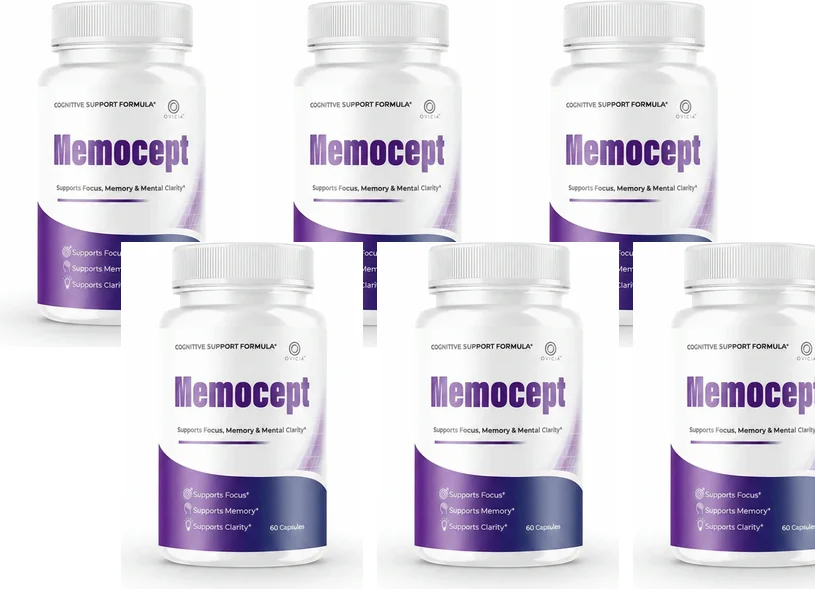
Want steady focus without the jitters?
Memocept builds its once-daily formula around studied nootropic botanicals and green-coffee caffeine — with every ingredient and its evidence laid out. See current availability before you decide.
Order Now