Green Coffee Bean in Nootropics: How Much Caffeine, and Does Chlorogenic Acid Help Cognition?
Quick Answer: What Does Green Coffee Bean Actually Do in a Brain Supplement?
The caffeine is doing the work — a 2025 meta-analysis of six trials found chlorogenic acid itself had precisely no measurable effect on cognition (d = 0.00, 95% CI −0.05 to 0.05). Green coffee is unroasted coffee, so it keeps the chlorogenic acids that roasting destroys, and it still carries caffeine unless the manufacturer has stripped it out. In a nootropic capsule that makes it a natural caffeine source with a polyphenol story attached. How much caffeine you actually get is not a fixed number and can only be read off the Supplement Facts panel.
- The working part: caffeine, which has decades of acute alertness and reaction-time evidence behind it.
- The null result: pooled chlorogenic acid effect on cognition, d = 0.00 (Johal et al., Nutrition Research Reviews, 2025).
- The practical step: find the milligram caffeine line on the label and add it to your coffee for the day.
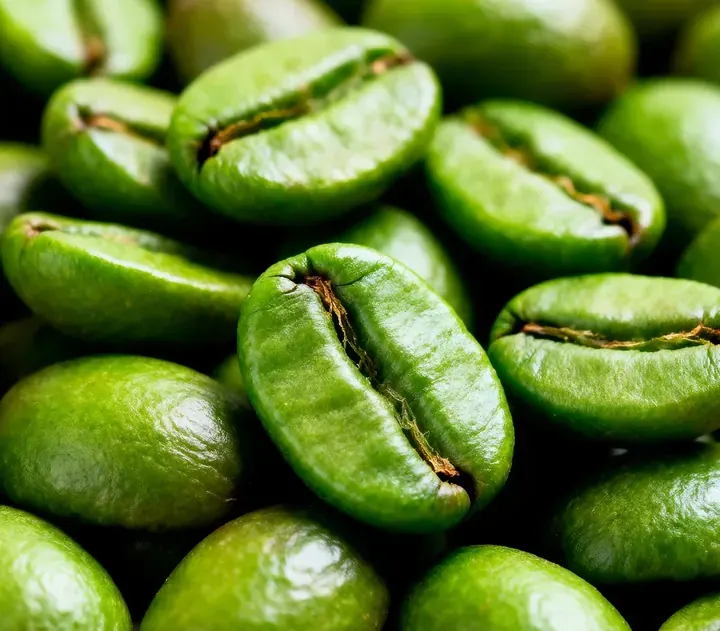
What green coffee bean extract actually is
Green coffee bean extract is made from Coffea seeds that have never been roasted. Nothing exotic is happening: it is the same bean that would otherwise go into your grinder, processed with water or alcohol into a concentrated powder instead of being heated to 200 °C and brewed. Two things survive that process and matter here. The first is caffeine, which is heat-stable and comes along unless the manufacturer deliberately removes it. The second is a family of polyphenols called chlorogenic acids, which are heat-unstable and are the entire commercial reason green coffee exists as a separate ingredient.
A point worth making early, because the search results for this ingredient are dominated by it: green coffee bean extract became famous as a weight-loss product. That is not what this article is about and it is not why the ingredient appears in a cognitive formula. Here the question is narrower and more useful — what does it contribute to a capsule you take for focus, and how much caffeine are you swallowing?
How much caffeine is in green coffee bean extract?
Less than most people assume, and far less predictably. Analytical work on raw green beans gives a starting point. Atlabachew and colleagues, publishing in Food Science & Nutrition in 2021, measured three green coffee samples and reported caffeine at 1.05 to 1.21% by weight, with total chlorogenic acid at 8.50 to 8.92% by weight. That is the unprocessed bean. Commercial extracts concentrate those figures, and many are also partially decaffeinated, which is why the caffeine fraction of a finished extract is a manufacturing decision rather than a property of the plant.
The consequence for a buyer is uncomfortable but simple: "natural caffeine from green coffee" on a label tells you nothing about the dose. It can mean a rounding error or it can mean a decent cup of tea. The table below puts the plausible range next to things you already know, so you can place a capsule in context.
Caffeine arithmetic: where a capsule sits
| Source | Typical caffeine | Notes |
|---|---|---|
| Raw green coffee bean | ~1.05–1.21% by weight | Measured in three green coffee samples (Atlabachew et al., 2021) |
| Green coffee extract capsule | Highly variable; read the label | Depends on concentration and whether the extract was decaffeinated |
| Brewed coffee, 8 oz | ~95–200 mg | Mayo Clinic range; brew method and bean move it a lot |
| Brewed tea, 8 oz | ~30–50 mg | Lower and slower; also supplies L-theanine |
| Typical energy drink, 8 oz | ~80 mg | Often sold in larger cans, so check the serving size |
| FDA general adult reference | 400 mg/day | Not associated with negative effects in healthy adults |
Run the arithmetic on yourself once. Two coffees is already 200 to 400 mg. If your capsule adds 30 mg, that is a footnote. If it adds 80 mg and you were already at the top of your range, it is not. This is also why timing matters as much as amount — a stimulant taken late is a sleep problem, and we cover that separately in our guide to pairing caffeine with L-theanine for calmer focus.
Roasted versus raw: why green coffee keeps the chlorogenic acid
Chlorogenic acids are the most abundant polyphenols in coffee, and they do not survive the roaster. Moon, Yoo and Shibamoto tested this directly in the Journal of Agricultural and Food Chemistry in 2009. Roasting green beans at 230 °C for 12 minutes cut total chlorogenic acid content to roughly half of the starting level. Push it to 250 °C for 21 minutes — a dark roast — and the content fell to almost trace levels. Heat splits the molecules into smaller fragments, some of which contribute to coffee's flavour and acidity, but the intact chlorogenic acid is gone.
That single finding explains the whole ingredient category. If you want chlorogenic acid, you cannot get a meaningful amount from your morning cup, because your morning cup was roasted. You have to take the bean before it meets the heat. Commercial extracts are typically standardised and sold on a stated chlorogenic acid percentage, which is a manufacturing claim printed on the label rather than a figure you can infer from the plant.
Reading the standardisation claim. A phrase like "standardised to 50% chlorogenic acids" describes the extract powder, not the capsule. A 100 mg dose of a 50% extract supplies 50 mg of chlorogenic acids. That is a long way below the 224 to 553 mg range used in the trials discussed below — which is worth knowing before anyone tells you the polyphenols are the reason to buy.
Does chlorogenic acid do anything for cognition?
This is where the topic gets genuinely interesting, because the answer is well established and almost nobody publishes it. In 2025, Johal, Jones, Bell, Lovegrove and Lamport published a systematic review and meta-analysis in Nutrition Research Reviews (2025;38(1):393–406) asking exactly this question. They screened the literature, identified 23 relevant papers, and pooled the six randomised controlled trials that met their criteria. Chlorogenic acid doses across those trials ranged from 224 to 553 mg.
The pooled effect on cognitive function was d = 0.00, with a 95% confidence interval of −0.05 to 0.05. Not small. Not borderline. Zero, with a narrow interval sitting symmetrically around zero. The authors' own conclusion was measured — they noted the small number of studies, the small samples and the wide variety of cognitive measures used, and called for better-quality trials — but the number itself is not ambiguous.
The chlorogenic acid evidence, laid out
| Evidence | Design | Dose / duration | Cognitive result | What it means |
|---|---|---|---|---|
| Johal et al., Nutr Res Rev 2025 | Systematic review + meta-analysis, 6 pooled RCTs | Chlorogenic acid 224–553 mg | d = 0.00 (95% CI −0.05 to 0.05) | The best current summary. No pooled benefit. |
| Saitou et al., Nutrients 2018 | Randomised, double-blind, placebo-controlled | Daily chlorogenic acids, 16 weeks, n = 38 healthy adults | Improvements reported on motor speed, psychomotor speed, executive function and shifting attention | A single positive trial, small, and outweighed by the pooled result. |
| Observational coffee-drinking studies | Cohort / cross-sectional | Habitual coffee intake | Some associations with better cognitive outcomes | Cannot separate chlorogenic acid from caffeine, or from the people who drink coffee. |
| Chlorogenic acid in healthy adults, head-to-head with caffeine | — | — | No such trial identified | Nobody has isolated the polyphenol against the stimulant in the same study. |
Note what the Saitou trial does and does not do. It is a real randomised, placebo-controlled study in 38 healthy adults over 16 weeks and it reported genuine improvements on several computerised measures. It is also one small trial. When findings like that are pooled with the rest of the literature, the average lands on nothing. That is how meta-analysis is supposed to work, and it is why single-study headlines are a poor basis for buying anything.
So why is green coffee in nootropic formulas at all?
Three honest reasons, in descending order of defensibility.
One: the caffeine. Caffeine is the single best-evidenced acute cognitive ingredient in the entire supplement aisle. It reliably increases alertness, shortens reaction time and improves vigilance on boring tasks, within 30 to 60 minutes. If a formula wants a day-one effect, caffeine is how it gets one. Sourcing it from green coffee rather than synthetic caffeine anhydrous is a marketing preference more than a pharmacological one — the molecule is identical — but it is a legitimate way to include it.
Two: the antioxidant rationale. Chlorogenic acids are real polyphenols with real antioxidant activity in the laboratory. Including them is a reasonable formulation choice. Claiming they sharpen your thinking is not, because the pooled human data says they do not.
Three: recognition. "Green coffee bean" is a familiar phrase that reads as natural and energising on a label. That is a commercial reason rather than a scientific one, and it is worth naming.
In a formula like the Memocept cognitive-support capsule, green coffee sits alongside Bacopa monnieri, Huperzine-A, Rhodiola rosea and L-Tyrosine — and it is the ingredient responsible for whatever you notice on the first day. The slower, memory-related ingredients work on a completely different clock, which we unpack in our review of the huperzine A, ginseng and caffeine evidence.
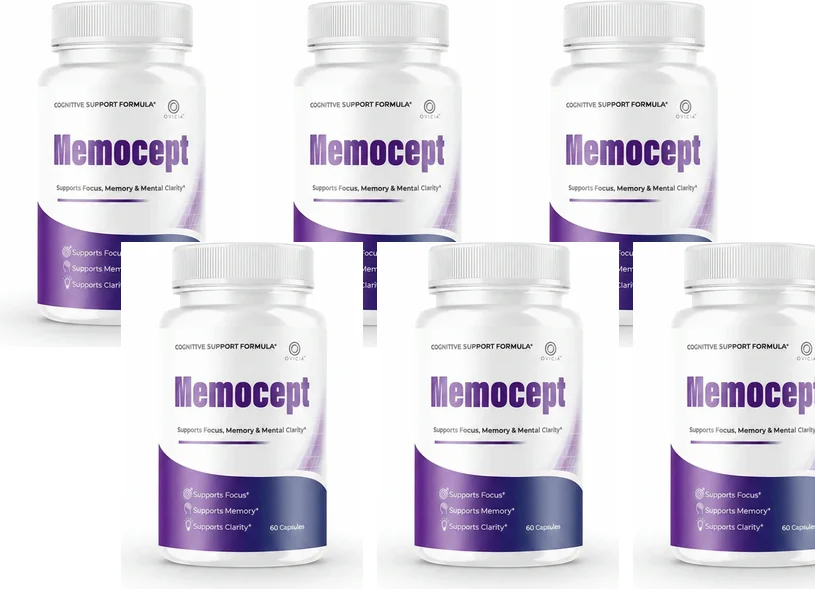
Want the caffeine number, not the marketing?
Memocept lists all five of its actives by name with no proprietary blend. Per-capsule amounts were not published on the pages we reviewed, so read the Supplement Facts panel on the bottle before you decide.
Order NowRead your own label: a three-step check
Everything above becomes actionable in about ninety seconds with the bottle in front of you.
Step one: find the caffeine line. A well-made label states caffeine in milligrams on its own line, either as a listed ingredient or as a footnote under the green coffee entry. If there is no caffeine figure anywhere, you cannot budget your day, and that is a legitimate mark against the product.
Step two: find the green coffee dose and its standardisation. You are looking for something like "Green coffee bean extract (Coffea arabica) — 200 mg, standardised to 50% chlorogenic acids". Multiply. That tells you the polyphenol dose, and now you can compare it honestly against the 224 to 553 mg used in the pooled trials — the trials that found nothing.
Step three: add it to your day. Write down the capsule's caffeine, your coffees and any tea or energy drinks, and compare the total against the FDA's 400 mg adult reference. Most people are surprised by their own arithmetic at least once.
If you would like a structured way to judge whether the whole capsule is doing anything for you, we have written a separate protocol on how to tell if a nootropic is actually working, including how to keep the caffeine from contaminating your own verdict.
What the evidence does not show
Being clear about the limits is the point of this article, so here they are without hedging.
Chlorogenic acid has not been shown to improve cognition. The pooled estimate is exactly zero. Any page telling you otherwise is either citing a single trial in isolation or citing nothing at all.
There is no cognitive dose for green coffee. Because the pooled effect is null, there is no dose to recommend. The 224 to 553 mg chlorogenic acid range describes what researchers tried, not what works.
The caffeine effect is acute and temporary. It is a few hours of sharper alertness, not a lasting change in memory or intelligence. Tolerance also develops, which is why the effect of a daily capsule is usually most obvious in the first week.
Cell and animal data do not transfer. There is laboratory work showing chlorogenic acid acting on oxidative stress and on rodent memory models. That is a reason to run human trials, not a reason to believe the human result before it arrives — and in this case the human result has arrived and it is null.
Green coffee is not a treatment for anything. It is a food-derived ingredient in a dietary supplement. Brain fog, memory changes or persistent difficulty concentrating are medical questions, and a capsule is not the right first response to them.
Frequently asked questions
How much caffeine is in green coffee bean extract?
There is no single figure, and that is the honest answer. Raw green coffee beans have been measured at roughly 1.05 to 1.21 percent caffeine by weight. Commercial extracts are concentrated and are often partially decaffeinated, so the caffeine fraction of a finished extract varies a great deal between suppliers. The practical consequence is that a green coffee capsule can deliver anywhere from a trivial amount of caffeine to something close to a cup of tea. The only number that applies to the bottle on your desk is the caffeine line on its own Supplement Facts panel.
Does chlorogenic acid improve cognition?
On the pooled evidence, no. A 2025 systematic review and meta-analysis in Nutrition Research Reviews by Johal and colleagues pooled six randomised controlled trials using chlorogenic acid doses of 224 to 553 mg and found an effect on cognitive function of d = 0.00, with a 95% confidence interval of -0.05 to 0.05. That is a flat zero with a tight interval around it. Individual trials have reported positive results, but the combined result does not support chlorogenic acid as a cognitive ingredient in its own right.
Why does green coffee have more chlorogenic acid than roasted coffee?
Because heat destroys it. Chlorogenic acids break down during roasting into smaller compounds. In a Journal of Agricultural and Food Chemistry study by Moon, Yoo and Shibamoto, roasting green beans at 230 degrees C for 12 minutes cut total chlorogenic acid content to roughly half, and roasting at 250 degrees C for 21 minutes reduced it to almost trace levels. Leaving the bean unroasted is the entire point of a green coffee extract.
Is green coffee bean extract just a caffeine pill?
Functionally, in a cognitive formula, that is close to the truth. The caffeine is the part with a well-established acute effect on alertness and reaction time. The chlorogenic acid is included as antioxidant rationale, and the pooled trial evidence for it on cognition is null. Green coffee also brings other coffee compounds along with it, but none of those has trial evidence for cognition either. Calling it a natural caffeine source with polyphenols attached is a fair description.
Does green coffee caffeine count towards my daily caffeine limit?
Yes. Caffeine from a capsule is the same molecule as caffeine from a mug, and it adds to everything else you drink. The US Food and Drug Administration cites 400 mg a day as an amount not generally associated with negative effects in healthy adults. Mayo Clinic puts an 8 oz cup of brewed coffee at roughly 95 to 200 mg, so two or three coffees already use most of that budget before a capsule is counted. If you are pregnant, sensitive to caffeine or on medication, the relevant limit is whatever your clinician tells you, not the general figure.
Medical note: this article is general information, not medical advice. Green coffee bean extract contains caffeine. Speak to a healthcare professional before starting any supplement, especially if you are pregnant or nursing, sensitive to caffeine, prone to anxiety or heart-rhythm problems, or taking blood-pressure, heart or stimulant medication. Individual results vary.
Scientific references
- Johal K., Jones D.J.W., Bell L., Lovegrove J.A., Lamport D.J. — Impact of coffee-derived chlorogenic acid on cognition: a systematic review and meta-analysis, Nutrition Research Reviews 2025;38(1):393–406 (doi:10.1017/S0954422424000209)
- Saitou K. et al. — Effect of chlorogenic acids on cognitive function: a randomized, double-blind, placebo-controlled trial, Nutrients 2018;10(10):1337
- Atlabachew M. et al. — Rapid and simultaneous determination of trigonelline, caffeine and chlorogenic acid in green coffee bean extract, Food Science & Nutrition 2021;9(9):5028–5035
- Moon J.K., Yoo H.S., Shibamoto T. — Role of roasting conditions in the level of chlorogenic acid content in coffee beans, Journal of Agricultural and Food Chemistry 2009;57(12):5365–5369
- US Food and Drug Administration — Spilling the Beans: How Much Caffeine Is Too Much?
- Mayo Clinic — Caffeine: How much is too much?
- NIH Office of Dietary Supplements — Dietary supplement fact sheets
See the full ingredient panel before you buy
Memocept is a once-daily capsule built on five named actives — Bacopa monnieri, Huperzine-A, Rhodiola rosea, L-Tyrosine and caffeine from green coffee — with no proprietary blend hiding the ingredient list. Check current availability and the 60-day guarantee at the official store.
Order Now