Rhodiola Rosea for Mental Fatigue and Stress: What the Evidence Actually Shows
Quick Answer: Does Rhodiola Rosea Help Mental Fatigue?
Modestly, and the evidence is uneven. Rhodiola rosea is an adaptogen with moderate but genuine support for reducing mental fatigue and burnout-type symptoms — several randomised trials of standardised extracts found less fatigue and better performance in stressed or over-worked people. The effects, however, are modest, the trials are often small, and their quality is mixed. It is best read as studied support for coping with fatigue and stress, not a proven treatment, and it does not treat depression, anxiety disorders or any medical condition.
- Strongest signal: reduced mental fatigue in stressed or sleep-deprived adults.
- Dose that matters: standardised extract around 200–600 mg/day (roughly 3% rosavins, 1% salidroside).
- Key caveat: support, not a cure — see a clinician for persistent fatigue, low mood or burnout.

What Rhodiola rosea actually is
Rhodiola rosea — also called golden root or roseroot — is a hardy plant that grows in cold, high-altitude regions of Europe, Asia and the Arctic. It is classed as an adaptogen, a loose term for botanicals thought to help the body cope with physical and mental stress rather than to stimulate or sedate it directly. The root's activity is usually attributed to two families of compounds: the rosavins (rosavin, rosarin and rosin) and salidroside (with its relative tyrosol). Most of the clinical research has used well-defined, standardised extracts, and that standardisation is the single most useful thing to understand when comparing products.
What the trials show for mental fatigue and stress
This is where Rhodiola rosea has its best evidence. A frequently cited crossover trial gave a standardised extract (SHR-5) to healthy physicians during demanding night-duty shifts and reported improved mental performance and less fatigue over the first two weeks. A later randomised, placebo-controlled study of the same extract in people with diagnosed stress-related fatigue found reductions in fatigue and in the stress-hormone response. Smaller trials in students during exam periods and in adults reporting burnout point broadly in the same direction: modest gains in perceived energy, concentration and mood under load. Two systematic reviews that pulled these together concluded the results are encouraging for fatigue but cautioned that many trials were small, short and methodologically weak, so the effect size should not be overstated.
Standardisation to rosavins and salidroside
Because a raw root and a concentrated extract are not the same thing, dose alone tells you little without the standardisation. The extracts used in the better trials were typically standardised to a fixed ratio of active compounds — commonly around 3% rosavins and 1% salidroside, a 3:1 ratio chosen to mimic the balance found in the natural root. A capsule that lists only "Rhodiola root powder" with no percentages is not comparable to a trialled extract, however large the milligram figure looks. If you are trying to match the research, the rosavin and salidroside percentages matter as much as the total dose.
What the evidence supports, in one table
| Use | What the research supports |
|---|---|
| Mental fatigue / overwork | Moderate, mostly positive evidence from small standardised-extract trials |
| Stress-related fatigue | Some benefit in placebo-controlled trials; effects modest |
| Everyday cognition in the well-rested | Thin and inconsistent; not established |
| Depression or anxiety disorders | Not established; not a treatment — seek clinical care |
| Standardisation | Trials used ~3% rosavins / 1% salidroside extracts |
How much Rhodiola rosea, and when
Across the fatigue and stress studies, standardised extracts were generally used at roughly 200 to 600 mg per day, sometimes split into two doses, with several trials landing near 200–400 mg. Rhodiola can be mildly activating for some people, so it is usually taken in the morning or early afternoon rather than at night, to avoid disturbed sleep. Benefits in the trials were often described within days to a couple of weeks rather than instantly. As always, the sensible move is to check the standardisation percentages and milligrams on a specific label against what the studies used, and to run any new supplement past a pharmacist or doctor first.
Where the evidence stops
Three honest limits are worth stating. First, the trial base is small and uneven — many studies had few participants, ran for only weeks, and varied in extract, dose and outcome measures, which is exactly why systematic reviews stop short of firm conclusions. Second, several trials were funded or conducted by parties with a commercial interest, which does not invalidate them but warrants caution. Third, a finished supplement is not the same as a studied extract: the compound can have evidence while a particular product has never been trialled. And to be clear, Rhodiola rosea is not a treatment for depression, an anxiety disorder, chronic fatigue syndrome or burnout as a medical diagnosis — persistent fatigue or low mood is a reason to see a clinician, not to self-treat.
Safety and who should be careful
For most healthy adults, short-term use of standardised Rhodiola rosea extracts appears well tolerated. Reported side effects are usually mild and include dizziness, dry mouth, restlessness or, occasionally, irritability or trouble sleeping if taken late. Long-term safety data are limited. Because it may interact with certain medications and its effects in pregnancy and breastfeeding have not been established, pregnant or nursing people, anyone with a diagnosed mood disorder, and anyone taking prescription drugs (including antidepressants) should speak to a healthcare professional before using it.
Rhodiola for low mood and depression: what the trials show
Fatigue is the use Rhodiola is best known for, but a separate and smaller body of research has looked at mood. The most informative study is a randomised, placebo-controlled trial that compared a Rhodiola extract with sertraline in adults with mild to moderate major depressive disorder (Mao et al., Phytomedicine, 2015). Its findings are worth stating carefully: Rhodiola produced a smaller improvement in depression scores than the medication, the differences did not reach statistical significance in a study of that size, and its main advantage was that fewer participants reported side effects. A separate trial in people with self-reported stress and mild anxiety reported reductions in anxiety, stress and confusion over two weeks (Cropley et al., Phytotherapy Research, 2015).
What that adds up to is modest and preliminary. There is not enough evidence to describe Rhodiola as a treatment for depression, and nothing here supports using it in place of care from a clinician. Depression is a medical condition; if low mood is persistent, interfering with daily life, or accompanied by thoughts of self-harm, that is a conversation for a doctor and not a supplement decision. Where Rhodiola may have a legitimate place is at the milder end — the flat, depleted, hard-to-start feeling that comes with sustained stress, which overlaps with the fatigue endpoint it was actually studied for and with several of the everyday causes of brain fog.
Common mistakes with Rhodiola
Taking it late in the day. Rhodiola is mildly activating for many people, and an afternoon or evening dose can interfere with getting to sleep — which then costs you exactly the mental clarity you were chasing, as our guide to the best time of day to take nootropics explains. Ignoring the standardisation. The trials used extracts standardised to rosavins and salidroside; a capsule of unstandardised root powder is not the same product and cannot be matched to a study dose, which is the general lesson of reading a supplement label properly. Escalating the dose. Rhodiola is not dose-linear in the trial record, and more has not reliably meant better. Adding it to a stack of unknowns at the same time. If you change three things at once you learn nothing about any of them — the one-variable-at-a-time approach in building a nootropic stack safely is the way to find out whether it is doing anything for you.
Frequently asked questions
Does Rhodiola rosea reduce mental fatigue?
There is moderate but mixed evidence. Several randomised trials of standardised extracts, such as SHR-5, reported reduced fatigue and better mental performance in stressed or fatigued people, including physicians on night duty and adults with stress-related fatigue. But systematic reviews repeatedly note that the trials are often small and methodologically variable, so the honest reading is modest support for reducing mental fatigue, not a cure.
How much Rhodiola rosea should I take?
Trials commonly used standardised extracts in the range of roughly 200 to 600 mg per day, frequently standardised to about 3% rosavins and 1% salidroside. Because it can be mildly activating, it is usually taken earlier in the day. Check a label's standardisation percentages and milligrams against what the studies actually used, and speak to a clinician first.
Is Rhodiola rosea a stimulant like caffeine?
No. Rhodiola rosea is classed as an adaptogen, not a stimulant. It contains no caffeine and does not work by blocking adenosine. Some people find it mildly energising, which is why morning dosing is common, but it does not produce the sharp, short-lived alertness spike of caffeine.
Is Rhodiola rosea safe to take?
For most healthy adults, short-term use of standardised extracts appears well tolerated, with occasional mild effects such as dizziness, dry mouth or restlessness. Long-term safety data are limited, and it can interact with some medications, so pregnant or nursing people and anyone taking prescription drugs should check with a doctor before starting it.
Does Rhodiola rosea help with depression or low mood?
The evidence is preliminary. A randomised trial comparing a Rhodiola extract with sertraline in mild to moderate major depressive disorder found a smaller improvement in depression scores than the medication, with the difference not reaching statistical significance, and fewer reported side effects. A separate trial in mildly anxious adults reported reductions in anxiety, stress and confusion over two weeks. That is not enough to call Rhodiola a treatment for depression, and it is not a substitute for care from a clinician.
Medical note: this article is general information, not medical advice. Speak to a healthcare professional before starting any supplement, especially if you are pregnant or nursing, take prescription medication (including antidepressants), or are managing persistent fatigue, low mood or a health condition.
Scientific references
- Ishaque S. et al. — Rhodiola rosea for physical and mental fatigue: a systematic review, BMC Complementary and Alternative Medicine (2012)
- Hung S.K., Perry R., Ernst E. — The effectiveness and efficacy of Rhodiola rosea L.: a systematic review of randomised clinical trials, Phytomedicine (2011)
- Darbinyan V. et al. — Rhodiola rosea in stress-induced fatigue: SHR-5 in physicians during night duty, Phytomedicine (2000)
- Olsson E.M., von Schéele B., Panossian A.G. — SHR-5 extract in subjects with stress-related fatigue, Planta Med (2009)
- NIH Office of Dietary Supplements — Dietary supplement fact sheets
- Punja S, Shamseer L, Olson K, Vohra S — Rhodiola rosea for mental and physical fatigue in nursing students: a randomized controlled trial, PLoS One 2014;9(9):e108416 (PMID 25268730)
- Mao JJ, Xie SX, Zee J, Soeller I, et al. — Rhodiola rosea versus sertraline for major depressive disorder: a randomized placebo-controlled trial, Phytomedicine 2015;22(3):394–399 (PMID 25837277)
- Cropley M, Banks AP, Boyle J — The effects of Rhodiola rosea L. extract on anxiety, stress, cognition and other mood symptoms, Phytother Res 2015;29(12):1934–1939 (PMID 26502953)
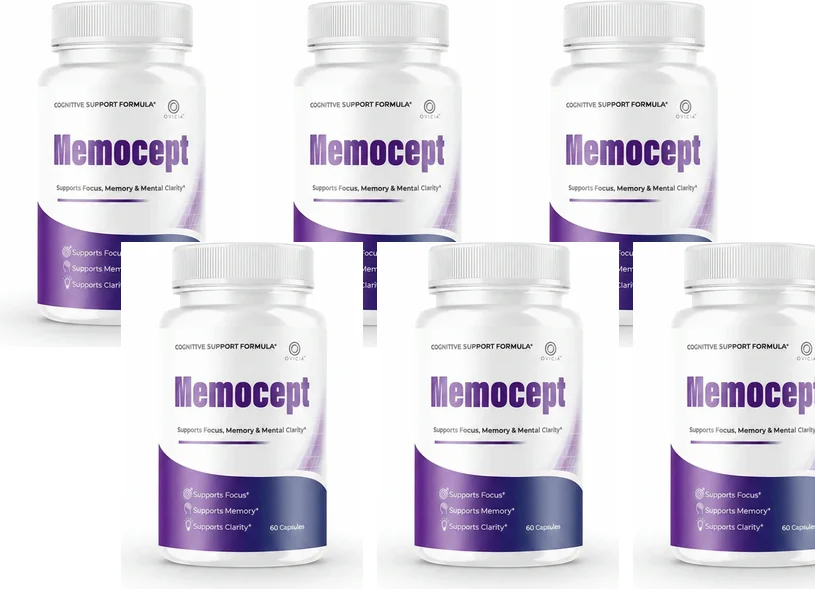
Looking for a daily cognitive-support formula?
Rhodiola rosea is one of the five actives the seller names in Memocept, alongside Bacopa monnieri, Huperzine-A, L-Tyrosine and green-coffee caffeine — one daily capsule, with every named ingredient and its evidence laid out.
Order Now